


How is hypertension diagnosed?
Aug 08, 2022
Source: Cainiu Health

Dr. Li Man
Introduction
Hypertension is diagnosed through a review of the patient’s medical history, physical examination, and other relevant ancillary tests. Notably, blood pressure measurement using a sphygmomanometer is the standard and most common method for confirming a diagnosis of hypertension. If hypertension is diagnosed, patients are advised to promptly visit a hospital to receive professional guidance regarding antihypertensive medication. One week after initiating treatment, patients should adopt a low-salt, low-fat diet.
Hypertension is highly prevalent among many adults and often proves difficult to control effectively, leaving patients with no choice but to confront the reality. Upon discovering they have hypertension, many individuals experience heightened anxiety; therefore, special attention must be paid to relevant aspects of daily life. So, how is hypertension diagnosed?
How Is Hypertension Diagnosed?
Hypertension is diagnosed through a comprehensive evaluation including medical history review, physical examination, and other relevant ancillary tests. Notably, blood pressure measurement using a sphygmomanometer is the most common and essential method for diagnosing hypertension. If hypertension is confirmed, patients should promptly seek professional medical guidance at a hospital for appropriate antihypertensive medication. After one week of treatment, patients should adopt a low-salt, low-fat diet and increase their intake of fruits and vegetables. Additionally, maintaining a positive mental outlook and engaging in moderate outdoor activities are strongly recommended.
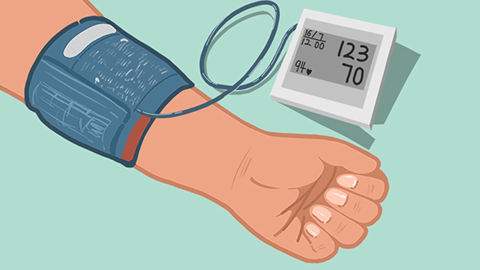
Hypertension is a chronic condition. Typically, diagnosis requires blood pressure measurements taken at different time points on separate occasions—three or more readings above the diagnostic threshold. Patients should proactively prevent hypertension primarily by maintaining healthy lifestyle habits. Dietary improvements play a key role in prevention; specifically, alcohol consumption should be avoided, and adequate intake of calcium and potassium should be ensured.

In daily life, dietary habits should be standardized: avoid spicy and stimulating foods, refrain from binge eating or overeating, and eliminate late-night熬夜 (staying up late). We hope this information proves helpful to you.


