


What causes teeth grinding during sleep at night?

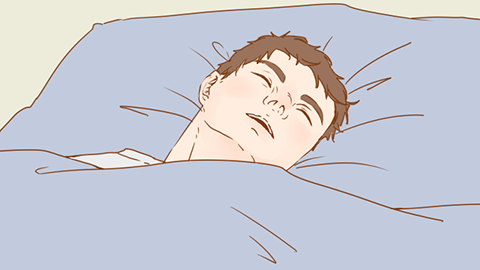
After a person falls asleep, certain involuntary phenomena may occur—such as bruxism (teeth grinding) during the night. Most individuals with bruxism are unaware that they grind their teeth while sleeping. If bruxism is observed, prompt treatment is essential. So, what causes habitual teeth grinding during sleep?
What Causes Habitual Teeth Grinding During Sleep?
Habitual nocturnal teeth grinding may result from psychological stress, oral diseases, gastrointestinal disorders, or pathological conditions. Persistent tension and anxiety—as well as continued contraction of the masticatory muscles during sleep—can trigger bruxism. Additionally, activities that heighten neural excitability—such as vigorous exercise or watching horror films before bedtime—may leave the brain in a heightened state of arousal during sleep, leading to unconscious teeth grinding at night.

This symptom may also manifest during sleep, with patients unconsciously grinding their teeth. Furthermore, dental conditions such as dental caries can cause swelling and pain during sleep, potentially triggering nocturnal bruxism. Overeating before bedtime or indigestion may likewise provoke gastrointestinal discomfort, stimulating the brain and increasing masticatory muscle activity—thereby contributing to nighttime teeth grinding.
Patients may purchase desensitizing toothpaste over the counter and apply it directly to sensitive teeth. Using either fingers or a toothbrush, gently massage the affected tooth surfaces for 5–10 minutes before rinsing thoroughly. We hope this information proves helpful.


