


What Causes Night Sweats in Men?
Aug 08, 2022
Source: Cainiu Health

Dr. He Haochen
Introduction
Nocturnal sweating in men is commonly caused by yin deficiency. When the body’s yin fluids are depleted, they fail to anchor and restrain yang qi, resulting in relative yang excess and internal heat generation. This manifests clinically as flushed cheeks, low-grade fever in the five zang organs (i.e., systemic low-grade fever), tidal fever, and nocturnal sweating. Additionally, pathogenic heat accumulation and steaming of sweat can also cause nocturnal sweating—often triggered by emotional depression, liver qi stagnation, hyperactive liver fire, excessive consumption of spicy or rich foods, or elevated body temperature and excessive internal heat.
Night sweats are a phenomenon familiar to most people. We refer to them as “night sweats” because they occur during sleep and cease upon waking. Many individuals commonly attribute this symptom to kidney deficiency or yin deficiency. In fact, night sweats are not solely indicative of physical weakness; they may also stem from numerous other underlying diseases. So, what causes night sweats in men?
What Causes Night Sweats in Men?
Night sweats in men are predominantly caused by yin deficiency. When the body’s yin fluids become depleted, they fail to anchor and restrain yang qi, resulting in relative yang excess and internal heat generation. Clinically, this manifests as flushed cheeks, five-center heat (i.e., heat sensations in the palms, soles, and chest), tidal fever, and night sweats. Additionally, night sweats may arise from pathogenic heat accumulation and steaming of body fluids. Emotional depression leading to liver qi stagnation, excessive liver fire, habitual consumption of spicy or rich foods, elevated ambient temperature, or excessive internal heat—whether due to liver fire or damp-heat—can all cause pathogenic heat to accumulate and steam the body fluids, forcing them outward as excessive sweating.
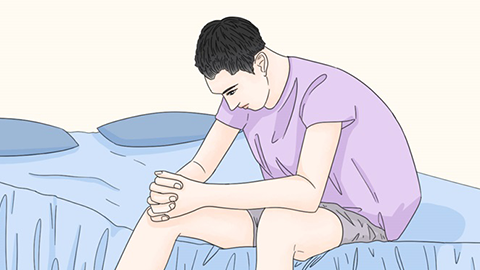
Male night sweats may result from both physiological and pathological factors. Night sweats are common in clinical practice, and many patients experience them due to physiological causes—for instance, sleeping in poorly ventilated environments, using overly thick bedding, or maintaining excessively high bedroom temperatures. If night sweats are attributable to such factors, simple interventions—including opening windows for ventilation, using air conditioning or fans to lower indoor temperature—can gradually alleviate symptoms. Pathological conditions—including hypertension, diabetes, hyperthyroidism, and autonomic nervous system dysfunction—may also trigger night sweats. In such cases, traditional Chinese patent medicines may be prescribed to regulate bodily functions and improve symptoms.
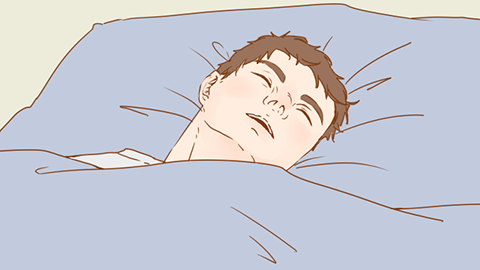
Patients are advised to avoid spicy and greasy foods, consume more fresh vegetables and fruits, maintain appropriate room temperature, and avoid excessively heavy bedding. They should also manage emotions effectively, maintain an optimistic outlook, and avoid staying up late. We hope this information proves helpful.


