


Causes of Hypotension
Aug 08, 2022
Source: Cainiu Health

Dr. Li Man
Introduction
The causes of hypotension include both physiological and pathological factors. Physiological hypotension refers to low blood pressure occurring in otherwise healthy individuals due to transient, external factors—such as hot weather or fasting—and is typically transient and harmless, posing no threat to normal bodily function or life. Pathological hypotension, by contrast, occurs in individuals with poor general health or in elderly persons.
Many individuals suffer from hypotension due to malnutrition. In fact, if hypotension is severe, it can significantly impair daily life and academic performance—and adversely affect work productivity as well. Therefore, prompt treatment is essential upon diagnosis of hypotension. Hypotension may arise from numerous causes; what, then, are the underlying etiologies?
Etiologies of Hypotension
Hypotension can be classified as either physiological or pathological. Physiological hypotension occurs in otherwise healthy individuals under certain transient conditions—such as exposure to high ambient temperatures or prolonged fasting—leading to a temporary drop in blood pressure. This type of hypotension is sporadic and poses no threat to organ function or life. In contrast, pathological hypotension typically affects individuals with compromised health status—especially elderly persons—or arises secondary to systemic disease affecting vital organs. This form tends to develop rapidly over a short period. Generally, however, hypotension evolves gradually, with symptoms progressively worsening over time.
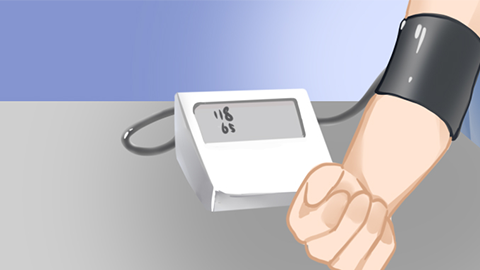
Patients with hypotension should engage in appropriate physical exercise. Activities such as therapeutic gymnastics, tai chi, or massage may help improve cardiopulmonary function and effectively elevate blood pressure. Simultaneously, patients should avoid excessive fatigue, which may further lower blood pressure. Maintaining a positive psychological state and enhancing overall physical fitness are also recommended, as these measures can effectively alleviate hypotensive symptoms.

In daily life, patients should maintain an optimistic mindset, actively cooperate with physicians during treatment, take prescribed medications regularly and in correct dosages, and pay close attention to routine self-care—thus facilitating timely improvement of their condition. We hope this information proves helpful to you.


