


What to Do About Low Blood Pressure in Early Pregnancy

In daily life, many pregnant women experience symptoms of low blood pressure during early pregnancy—such as dizziness, fatigue, and excessive sleepiness. If left unaddressed over time, this condition may adversely affect normal fetal development. So, what should be done about low blood pressure in early pregnancy?
Managing Low Blood Pressure in Early Pregnancy
If low blood pressure occurs during early pregnancy, timely and appropriate interventions should be initiated to restore blood pressure to normal levels, thereby preventing serious complications. Prolonged low blood pressure may lead to dizziness and headaches; in severe cases, it can reduce placental perfusion, increasing the risk of adverse pregnancy outcomes. Moreover, chronic low blood pressure significantly impairs quality of life and, over time, predisposes individuals to serious complications. Therefore, prompt management is essential upon diagnosis.
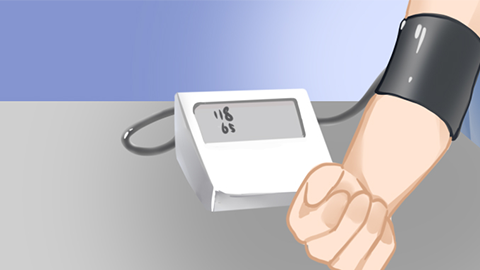
As pregnancy progresses and the fetus grows, the enlarged uterus—especially when lying supine—compresses the inferior vena cava, impairing venous return from the pelvis and lower extremities. This results in a sharp reduction in cardiac preload, leading to decreased cardiac output and subsequent hypotension. Additionally, uterine enlargement may compress the diaphragm, stimulating the vagus nerve and causing bradycardia and systemic vasodilation, further lowering blood pressure. In late pregnancy, uterine blood flow accounts for approximately 16.67% of total cardiac output, contributing to reduced venous return and lowered blood pressure.

In everyday life, enhancing nutritional intake, engaging in moderate physical activity, and cultivating healthy lifestyle habits can collectively support blood pressure regulation and help prevent its decline. We hope this information proves helpful. Wishing you good health and peace of mind!


