


Can I use a face mask if my skin is allergic?

Skin allergy refers to common skin swelling and itching. It can significantly affect one’s appearance; thus, functional skincare products are generally not recommended if allergic symptoms appear on the face. So, can you use face masks when experiencing a skin allergy?
Can you use face masks during a skin allergy?
It is best to avoid using face masks during a skin allergy episode. Face masks contain various ingredients—such as plant extracts, collagen, hyaluronic acid, and others—that differ widely in composition. Skin sensitivity may worsen due to either ingredient-related or material-related allergies—for instance, reactions to non-woven fabric or other mask substrates—which can trigger or exacerbate allergic responses.
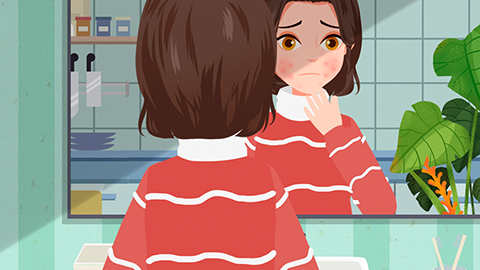
Especially when the face is already in an allergic state, extra caution is essential. Medical-grade face masks intended for repair and treatment should be used—but only after consultation with a healthcare professional. It is advisable to purchase such products from a local hospital and use them strictly under medical supervision. Skin allergy compromises the skin’s natural barrier function; therefore, covering the affected area with a mask may aggravate the condition. During this period, prioritize adequate moisturization, avoid staying up late, and maintain healthy lifestyle habits. Additionally, refrain from touching the affected area with your hands to prevent secondary infection.
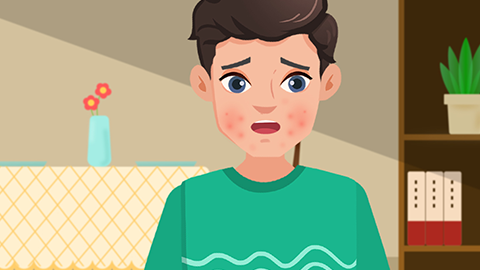
Promptly use antihistamines (e.g., chlorhexidine-based preparations, as appropriate) under medical guidance, keep the skin clean, wash your face regularly, and apply broad-spectrum sunscreen when outdoors to minimize ultraviolet exposure. We hope this article has been helpful. Wishing you a joyful life and good health!


