


Symptoms of Acute Gouty Synovitis

Some individuals enjoy eating meat and drinking alcohol—especially seafood paired with beer—which can elevate uric acid levels in the body and potentially trigger a gout attack. During an acute gout flare, patients experience sharp, knife-like pain that is extremely intolerable; consequently, they strongly desire rapid pain relief. So, what are the symptoms of acute gouty synovitis?
Symptoms of Acute Gouty Synovitis
The primary symptoms of acute gouty synovitis include localized redness, swelling, warmth, pain, and restricted joint mobility. Gouty synovitis most commonly affects lower-limb joints—particularly the first metatarsophalangeal (MTP) joint, ankle joint, and knee joint. Typically, the skin over the affected joint becomes markedly erythematous, feels warm to the touch, and exhibits noticeable swelling and tenderness; patients often avoid moving the joint altogether. Any movement triggers severe pain. In clinical practice, patients usually present with a documented history of gout, and diagnosis is confirmed via MRI or other relevant imaging studies. Treatment should be sought at a reputable hospital.

Gouty synovitis occurs more frequently in patients with a prior history of gout. Although its symptoms resemble those of other forms of synovitis, it also displays distinctive features: joint swelling and pain, limited mobility, and a positive patellar float test. Patients often report spontaneous, unprovoked knee pain, discomfort, and swelling—typically at night. There is usually no history of trauma, but many patients report prior consumption of alcohol or high-purine foods such as seafood. Ultrasound or magnetic resonance imaging (MRI) is required to assess the degree of synovial thickening and the extent of fluid accumulation within the joint. Elevating the affected limbs may help reduce swelling.
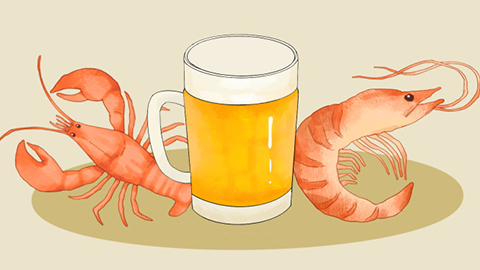
Patients should avoid high-purine foods—including organ meats, seafood, and beer—and take prescribed gout medications such as oral colchicine to promote uric acid excretion and reduce the risk of gouty synovitis. We hope this information proves helpful.


