


Which is more severe: erosive gastritis or gastric ulcer?

Many people are unaware of the differences between gastric ulcers and gastritis, as the symptoms of these two conditions are relatively similar and public understanding of gastric health remains limited. Any stomach pain is often broadly labeled as “gastric disease.” Currently, there is no clear consensus on what exactly constitutes “gastric disease,” leading many individuals to self-medicate blindly, misdiagnose the underlying cause, and consequently use inappropriate medications. So, which is more serious—erosive gastritis or gastric ulcer?
Which is more serious: erosive gastritis or gastric ulcer?
Compared with erosive gastritis, gastric ulcer is more severe. Gastric ulcers involve ulceration of the gastric mucosa and the underlying muscularis mucosae, representing a relatively serious pathological lesion. If the causative factors of erosive gastritis are actively eliminated—such as discontinuing medications that irritate the gastric mucosa and avoiding spicy or otherwise irritating foods—the condition can generally be well controlled in most patients, with a favorable prognosis. However, in a small subset of patients with atrophic gastritis accompanied by erosions, progression to gastric ulcer or dysplasia—and ultimately to gastric cancer—may occur.
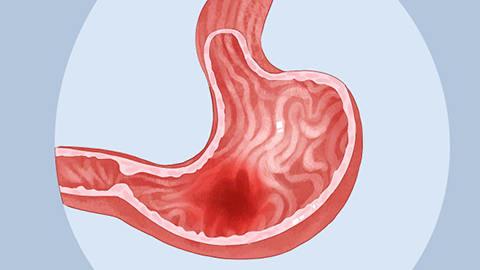
Gastric ulcers involve necrosis and ulceration extending into the submucosal muscular layer. In the early stages of the disease, prompt intervention—including eradication of causative factors, administration of mucosal protective and repair-promoting agents, and acid-suppressing medications—can lead to complete healing in some patients, resulting in a favorable prognosis. However, other patients may experience poorer outcomes due to individual physiological factors or inadequate adherence to treatment, coupled with unhealthy lifestyle and dietary habits.

In daily life, it is essential to maintain regular, balanced meals; avoid spicy and irritating foods; refrain from overeating or binge eating; and avoid staying up late. We hope this response has been helpful to you.


