


How many days does halitosis last after tonsillectomy?

The tonsils are immune organs of the human body that help defend against various pathogenic microorganisms invading the body, thereby playing a certain role in disease resistance. However, the tonsils are prone to inflammation, and severe cases may require surgical removal (tonsillectomy). So, how long does halitosis (bad breath) last after tonsillectomy?
How Long Does Halitosis Last After Tonsillectomy?
After tonsillectomy, halitosis typically resolves within approximately one week. Following surgery, the wound surface remains fully exposed in the pharyngeal cavity. During healing, a scab forms over the wound, and secretions adhere to its surface, creating a pseudomembranous covering. If the tonsillar wound is relatively severe, this pseudomembrane may persist longer, increasing susceptibility to bacterial infection and resulting in halitosis. Generally, this condition is not serious; as the tonsillar wound gradually heals, tissue damage diminishes. Rinsing gently with normal saline several times daily may help alleviate halitosis.
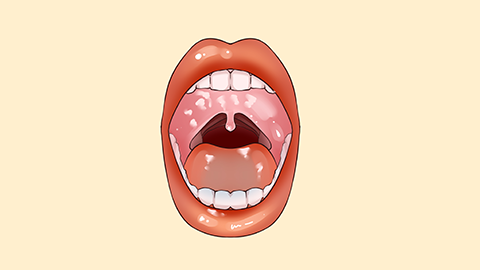
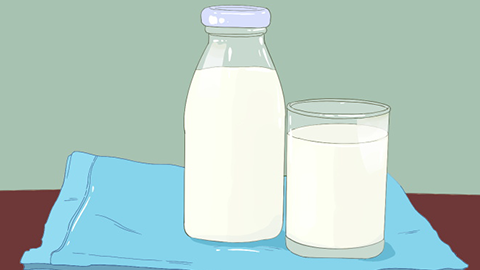
Postoperative care after tonsillectomy primarily involves routine nursing measures. Patients are advised to remain in bed and avoid strenuous activity. If oral secretions accumulate postoperatively, patients should tilt their heads sideways to allow secretions to drain naturally—rather than swallowing them. Patients should also avoid speaking loudly and minimize swallowing motions to prevent wound irritation and potential bleeding. Due to postoperative pharyngeal pain, dietary recommendations typically begin with cold liquids during the early recovery phase—for example, milk, fruit juice, soft drinks, or steamed egg custard. Later, as healing progresses, patients may gradually transition to lukewarm liquid or semi-liquid foods such as thin porridge, noodles, or dumpling soup. Most patients resume a normal diet approximately two weeks after surgery.
If someone in your household has tonsillitis, ensure regular ventilation of indoor spaces—open windows two to three times daily for about 15 minutes each time. Fresh air helps alleviate symptoms. We hope this information proves helpful to you.


