


How long does a gastric ulcer typically take to heal?

Peptic ulcer disease is a common condition today. While its onset can indeed cause some inconvenience, there is no need for excessive concern. Recovery can be accelerated through daily dietary adjustments—provided patients adopt appropriate lifestyle and management strategies. To effectively promote healing, how long does it typically take for a gastric ulcer to heal?
How long does a gastric ulcer usually take to heal?
In mild cases, gastric ulcers generally heal within 4 to 6 weeks. More severe ulcers may require several months of treatment, often involving antibiotics (for infection control) and acid-suppressing medications. Mild ulcers typically resolve within 4–6 weeks following treatment initiation; however, the exact recovery time depends on factors such as the depth of mucosal damage and the size of the ulcer. In more serious cases, healing may take several months. Pharmacological treatment primarily targets gastric ulcers. Symptoms vary among individuals but commonly include upper abdominal pain—often worsening after meals. Treatment options include antibiotics, acid-suppressing agents, and mucosal protective medications.

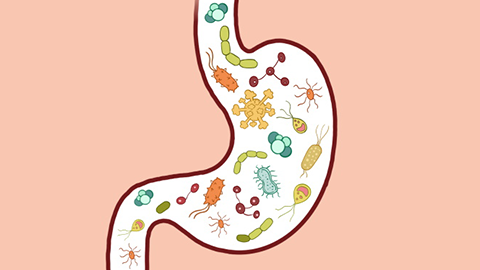
Gastric ulcers arise from multiple contributing factors, with the most common being *Helicobacter pylori* (*H. pylori*) infection and the use of nonsteroidal anti-inflammatory drugs (NSAIDs). For typical gastric ulcers, gastroscopy is recommended to assess ulcer depth and extent, and *H. pylori* testing should also be performed. If *H. pylori* infection is confirmed, eradication therapy is essential. Concurrently, oral medications that protect the gastric mucosa, promote mucosal repair, and suppress gastric acid secretion are advised.
In daily life, patients should maintain a positive mindset, actively cooperate with their physicians, adhere strictly to prescribed medication regimens (both in dosage and timing), and pay close attention to routine self-care—thus facilitating prompt clinical improvement.


