


How long into pregnancy does nausea occur?

Once a woman becomes pregnant, her hormonal levels undergo significant changes, leading to various physical symptoms. The most common early pregnancy symptom is morning sickness, which encompasses a range of manifestations—including nausea and vomiting, especially in more severe cases. These symptoms are entirely normal. But how soon after conception does nausea typically begin?
When Does Nausea Begin During Pregnancy?
Nausea and vomiting usually start around weeks 7–8 of pregnancy. For women with regular menstrual cycles, these symptoms often appear approximately six weeks after the last menstrual period—characterized initially by loss of appetite, food aversions, nausea, or vomiting. Vomiting generally begins around weeks 7–8. However, if a woman’s menstrual cycle is longer—for example, 35 or 40 days instead of the typical 30 days—the onset of nausea and vomiting may be delayed. In such cases, symptoms like aversion to greasy foods may appear around day 40, vomiting around day 45, and full-blown early pregnancy symptoms (e.g., nausea and vomiting) around day 50.
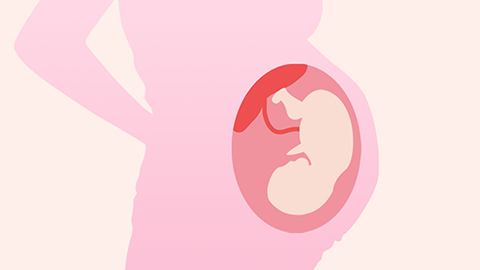
After conception, human chorionic gonadotropin (hCG) becomes detectable in the blood approximately 10–15 days later; thus, early pregnancy symptoms may begin around two weeks post-conception. Some women experience nausea and vomiting very early and mistakenly assume they are pregnant. In reality, true pregnancy-related morning sickness does not manifest this quickly. If nausea and vomiting occur during this early window, it is more likely attributable to psychological factors or consumption of unhygienic food—not to pregnancy itself.
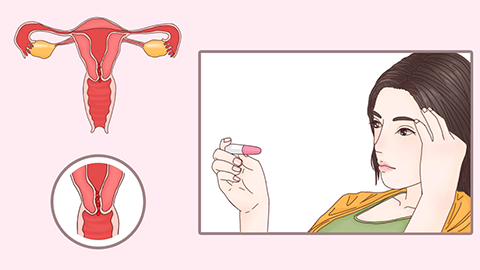
In daily life, maintain a regular, balanced diet—avoid spicy, irritating, or overly rich foods, refrain from binge eating, and ensure adequate rest by avoiding late-night activities. We hope this information proves helpful.


