


What should I do if my gums behind the molars are swollen and painful?
Aug 10, 2022
Source: Cainiu Health

Dr. Liu Chao
Introduction
If the symptoms are caused by gingivitis, oral antibiotics are recommended under a physician’s guidance. If swelling and pain in the gum tissue behind the alveolar ridge result from a periodontal abscess, surgical excision of the lesion followed by drainage of the purulent material is indicated. In severe cases, extraction of the impacted wisdom tooth may also be necessary.
The gum tissue behind the large (molar) teeth becomes swollen and painful, causing significant discomfort. Swelling and pain in this area may result from inflammation—such as gingivitis or periodontitis—or, in some individuals, from impacted or erupting wisdom teeth. So, what should one do when experiencing gum swelling and pain behind the molars?
What to Do for Gum Swelling and Pain Behind the Molars
If the symptoms stem from gingivitis, oral antibiotics prescribed by a dentist or physician are recommended. If the swelling and pain originate from a periodontal abscess—causing inflammation and pus accumulation in the gum tissue behind the molars—the infected lesion may require surgical excision followed by drainage of the accumulated pus. In severe cases where anti-inflammatory treatment proves ineffective, extraction of the wisdom tooth may be necessary. For gingivitis-related symptoms, oral antibiotics are advised. Metronidazole- and penicillin-class antibiotics are generally effective against gum swelling and pain; however, these medications should never be taken on an empty stomach, as doing so may readily cause gastric discomfort or pain.

Some post-treatment discomfort is expected, but the prognosis is typically excellent. When pain occurs behind a missing-tooth site, a burning sensation may develop. In such cases, cold compresses or topical application of traditional Chinese herbal preparations may provide relief. Apply an ice pack three times daily for approximately ten minutes each time to alleviate pain. During treatment, pay close attention to diet: avoid spicy foods, eggs, and hair-care products (which may be inadvertently ingested).
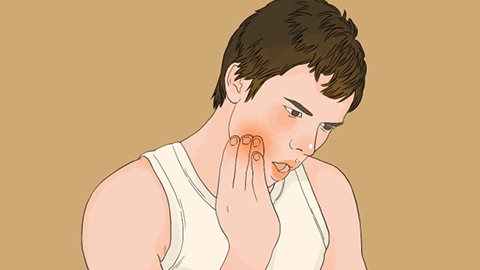
When experiencing gum swelling and pain, opt for bland, mild foods in your diet, and avoid spicy, irritating, excessively hot, hard, or greasy foods.


