


What are the effects of enlarged tonsils?
Aug 10, 2022
Source: Cainiu Health

Dr. Xu Gang
Introduction
Enlarged tonsils may cause associated symptoms, which can vary among individuals due to physiological differences. Common symptoms include a foreign-body sensation in the pharynx, dysphagia, and respiratory difficulty. Some patients may also develop snoring during sleep, mouth breathing, and severe obstructive sleep apnea—conditions that pose relatively significant risks to health. Therefore, upon noticing tonsillar enlargement…
Tonsil disorders are common occurrences in daily life. Due to various causes, many individuals experience tonsil-related conditions of varying severity, and the incidence continues to rise. The tonsils are a vital immune organ located in the throat; thus, any tonsil disorder may adversely affect our overall health. So, what impact does tonsillar enlargement have?
Effects of Tonsillar Enlargement
Tonsillar enlargement may cause a range of associated symptoms, which can vary among individuals due to physiological differences. Common symptoms include a foreign-body sensation in the pharynx, dysphagia (difficulty swallowing), and dyspnea (breathing difficulty). Some patients may also develop snoring during sleep, mouth breathing, and even severe obstructive sleep apnea—conditions that pose significant risks to health.
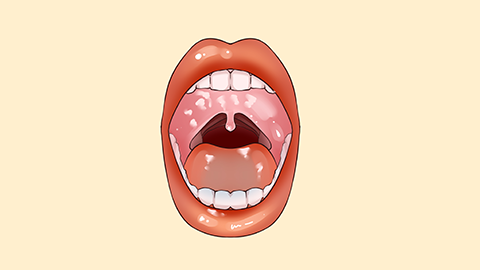
Therefore, upon noticing tonsillar swelling, it is advisable to consult an otolaryngologist for routine blood tests and laryngoscopy. These examinations help assess the condition and establish a definitive diagnosis. Tonsillar hypertrophy may result from chronic tonsillitis-induced glandular hyperplasia. If caused by acute infection, anti-inflammatory medications may be prescribed under medical supervision. For chronic tonsillar hypertrophy, surgical removal (tonsillectomy) may be considered.
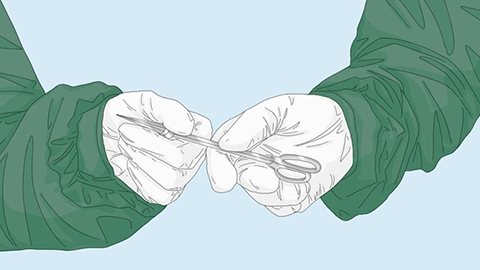
Once the diagnosis is confirmed, targeted treatment can be initiated per the physician’s recommendations. Some patients may opt for conservative management; however, if standardized conservative therapy proves ineffective, surgical intervention should be considered. We hope this information has been helpful to you.



