


Can wisdom tooth extraction alter facial shape?

Some individuals begin developing wisdom teeth before age 20, while others may not develop them until their 40s or 50s. In fact, some people never develop wisdom teeth at all—a completely normal phenomenon. Additionally, these four wisdom teeth may not fully erupt or may be partially or completely impacted.
Will Removing Wisdom Teeth Change Your Facial Shape?
Removing wisdom teeth does not alter your facial shape. Facial contours are primarily determined by the size of the mandible (lower jaw), the height of the zygomatic bones (cheekbones), and the volume of facial muscles and fat. Wisdom teeth reside within the alveolar bone—typically in the posterior region of the mandible—and their removal does not affect the position or width of the mandible, the height of the zygomatic bones, or the distribution of facial muscle and fat tissue. Because wisdom teeth are often fully or partially impacted, they can trap food debris, leading to recurrent pericoronitis (inflammation around the crown of a partially erupted tooth) and pain, or contribute to decay in adjacent teeth. For these reasons, extraction is generally recommended as soon as possible.
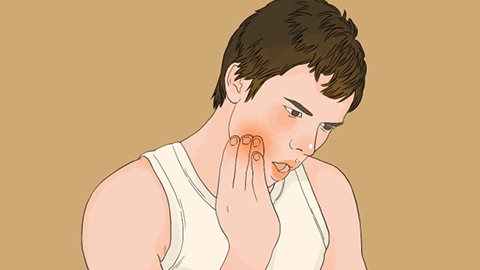
Wisdom tooth extraction only reduces the number of teeth in the mouth; it does not change the size or structure of the maxilla (upper jaw) or mandible (lower jaw). Therefore, removing wisdom teeth has no effect on overall facial shape. Following extraction, many patients experience facial swelling. Once this swelling subsides, the face may appear smaller—but this is simply a return to its pre-surgical baseline. Consequently, people often mistakenly believe that wisdom tooth removal alters facial size.

In daily life, patients should maintain a positive mindset, actively cooperate with their healthcare providers during treatment, take prescribed medications as directed (both in dosage and timing), and adhere to proper postoperative care instructions to promote optimal recovery. We hope this information is helpful to you.


