


Why Can’t You Hear Your Own Snoring?

Snoring is a common sleep phenomenon—so commonplace, in fact, that most people take it for granted and even regard it as a sign of sound, restful sleep.
Why Can’t You Hear Your Own Snoring?
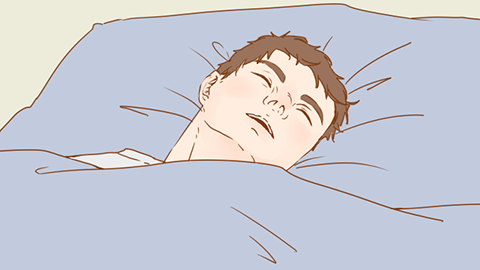
You cannot hear your own snoring because it typically occurs during deep sleep. Consequently, most individuals remain unaware of it unless the snoring is extremely loud—loud enough to awaken them. However, if you wake up, snoring ceases. Snoring may stem from abnormalities in the throat region; therefore, it is advisable to consult a reputable hospital for evaluation and treatment. During treatment, avoid spicy foods. In healthy individuals, the airway remains open during sleep, allowing airflow to pass smoothly and produce uniform, steady, and quiet breathing sounds. In contrast, snorers experience partial collapse of the upper airway during sleep, resulting in compromised ventilation. When airflow passes through this narrowed passage, tissue vibration occurs—producing the audible sound of snoring.

Snoring may be triggered by factors such as excessive work-related fatigue, obesity, or nasal polyps. During deep sleep, the respiratory control center in the brain becomes less responsive to external stimuli, and the body enters a state of complete relaxation—explaining why one remains unaware of one’s own snoring. Occasional snoring after intense physical exertion or insufficient sleep during the day—leading to deeper sleep at night—is generally considered normal.
Adopt a light, bland diet and abstain from smoking and alcohol. Additionally, seek evaluation and treatment at a reputable hospital, and continue avoiding spicy foods throughout treatment. We hope this information proves helpful to you.


