


Why Do Overweight Individuals Snore More Frequently?

Snoring is a common phenomenon in daily life—not only does it affect the snorer, but it can also disturb others. Individuals who are overweight or obese have a higher likelihood of snoring. So why are overweight people more prone to snoring?
Why Are Overweight People More Prone to Snoring?
Overweight individuals are more likely to snore due to factors such as fat accumulation in the neck, increased intra-abdominal pressure, narrowing of the pharynx and nasal passages, and congenital anatomical abnormalities. During sleep, relaxation of the neck muscles compresses and narrows the upper airway, causing turbulent airflow through these constricted areas—resulting in snoring. Excess abdominal fat elevates intra-abdominal pressure during sleep, further promoting snoring. In addition, when overweight individuals have a deviated nasal septum, the effective cross-sectional area for breathing becomes narrower, increasing airway resistance. This may lead to snoring, mouth breathing during sleep, and even episodes of apnea or suffocation. Snoring not only impairs others’ sleep quality but also harms the snorer’s health—causing recurrent apneas and cerebral hypoxia.
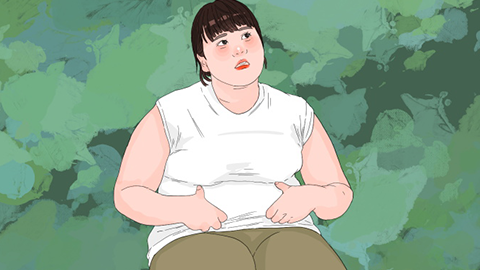
Poor nighttime sleep quality often leads to excessive daytime fatigue and difficulty waking up. Chronic obesity can cause thinning of the tracheal wall. Even after successful weight loss, this structural change—and thus the snoring—may persist. Therefore, the health risks associated with obesity are substantial, making weight reduction essential. Common weight-loss strategies include dietary and exercise interventions, pharmacotherapy, and surgical treatment—with lifestyle modification (diet and exercise) being the first-line approach.

Obese individuals are advised to maintain regular physical activity, pay attention to dietary habits, and cultivate healthy lifestyle practices. If snoring is severe, prompt medical evaluation is recommended. Regular blood pressure monitoring and maintaining psychological and physical well-being are also important. We hope this information has been helpful to you.


