


What does “breast calcification” mean?

Modern life is associated with excessive stress, which may disrupt women’s endocrine function and increase the incidence of breast diseases. What, then, does “breast calcification” mean?
What Does Breast Calcification Mean?
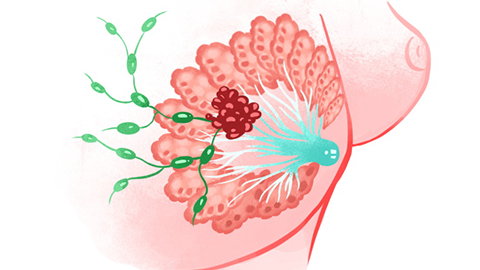
Breast calcifications generally arise from two causes: First, long-standing benign breast nodules may undergo calcification due to calcium salt deposition over time. On color Doppler ultrasound and mammography, such calcifications typically appear as coarse, granular deposits within the nodule. These types of calcifications are usually benign; however, definitive characterization of any breast tumor requires histopathological examination. Second, fine, sand-like (microcalcifications) may be detected on color Doppler ultrasound and mammography. Such microcalcifications carry a higher likelihood of malignancy, and histopathological evaluation is essential to determine appropriate further management.

Based on mammographic imaging, calcified lesions may either require no intervention or warrant specialist evaluation, and can be categorized into the following two types: 1. Benign calcifications: These coarse calcifications often result from prior breast inflammation or milk stasis following lactation. Patients need not panic upon detection of such calcifications, as they pose no threat to life. 2. Malignant (cancerous) calcifications: Radiologists typically classify suspicious calcifications into Category 4 or higher, recommending prompt referral to a breast specialist for clinical assessment and treatment recommendations. Malignant calcifications tend to be diffuse and granular (sand-like), often clustering together—making them readily visible on mammography.
During treatment, it is important to maintain a positive mindset and adhere to scheduled follow-up examinations. We hope this information has been helpful. Wishing you good health and happiness!


