


How to Relieve Nausea After Eating Instant Noodles

Each patient experiences different adverse symptoms; therefore, any discomfort should be noted and treated proactively. Nausea after consuming instant noodles is also a symptom that warrants attention, as it is commonly associated with gastrointestinal dysfunction. So, how can nausea after eating instant noodles be alleviated?
How to Alleviate Nausea After Eating Instant Noodles
Nausea following the consumption of instant noodles typically suggests one or more of the following: high oil content in the noodles; excessive spiciness or irritation; spoilage or mold contamination; or the presence of toxic or harmful substances—any of which may trigger acute gastritis. If acute gastritis is diagnosed, treatment may include proton pump inhibitors (PPIs) and gastric mucosal protectants. In cases of systemic infection—evidenced by elevated white blood cell count on complete blood count (CBC) and fever—antibiotics may be prescribed to aid recovery. Antiemetic medications may also be used as appropriate.
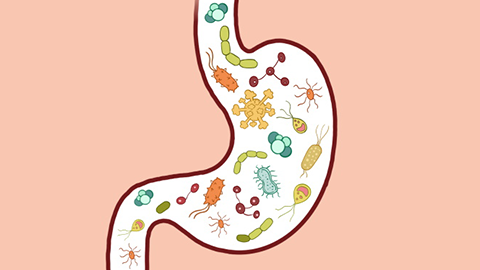
Nausea after eating instant noodles may reflect impaired gastric motility. However, it could also indicate underlying gastroduodenal disease—or simply result from functional dyspepsia or other digestive issues. In such cases, omeprazole and domperidone are commonly recommended to relieve symptoms. If this occurs only occasionally, it is generally not a cause for serious concern and can often be effectively managed with medication. However, frequent recurrence may suggest chronic gastroduodenal disease, warranting further comprehensive evaluation.
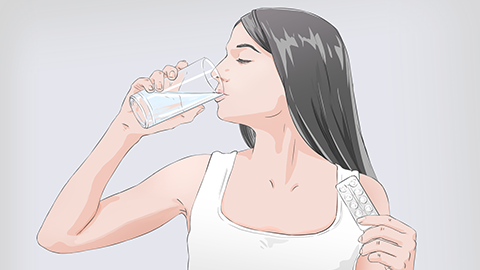
Patients must pay close attention to dietary regulation—especially avoiding greasy foods—and should also limit or avoid cold or spicy foods. Drinking adequate water is advisable. We hope this information proves helpful to you.


