


How long does papular urticaria last?

Papular urticaria—also known as insect bite dermatitis—has a distinct predisposing factor, primarily triggered by skin reactions to mosquito bites. Papular urticaria is an infectious dermatosis; if left untreated, symptoms of infection may progressively worsen. So, how long does papular urticaria take to resolve?
How Long Does Papular Urticaria Take to Resolve?
Papular urticaria typically resolves within 7–10 days. For instance, in susceptible individuals—such as those with delicate or sensitive skin—a mosquito bite may trigger papular urticaria with a more intense allergic response, resulting in a prolonged disease course. Disease severity and treatment plans vary among patients, leading to differences in recovery time. In adults with robust immune function, mosquito-bite-induced urticarial symptoms tend to be mild and short-lived. With systematic, standardized treatment, the condition usually improves rapidly without leaving any residual sequelae.
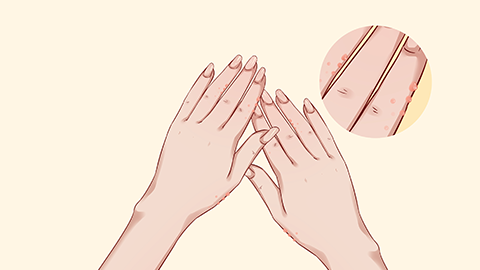
During treatment, it is essential to enhance local skin care: maintain cleanliness of the affected area and ensure the lesions remain dry—both measures facilitate recovery. Inadequate skin care during treatment increases the risk of secondary infection; subsequent bacterial or viral invasion may further aggravate the condition.
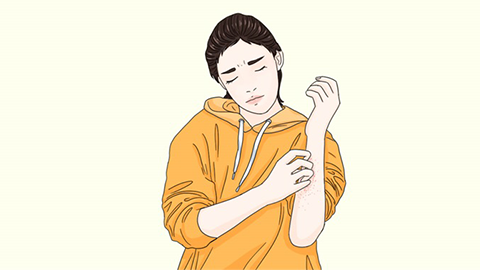
In daily life, patients should maintain a positive mindset, actively cooperate with their physicians’ treatment plans, take prescribed medications on time and in correct dosages, and adhere to routine self-care practices—thereby promoting prompt clinical improvement. We hope this information proves helpful to you.


