


How is “Mommy’s Thumb” (de Quervain’s tenosynovitis) treated?

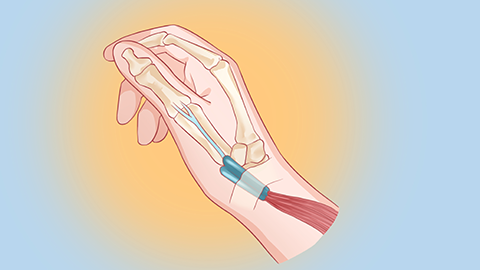
The tendon sheath is a double-layered, tubular, closed synovial membrane that envelops tendons, serving as a protective synovial sheath. In the human body, there are two primary locations: the common tendon sheath for the abductor pollicis longus and extensor pollicis brevis muscles at the distal radial end of the wrist, and the tendon sheath for the flexor pollicis longus muscle at the base of the first metacarpal bone. Generally, due to routine daily activities, the incidence is higher in women than in men. So, how is “mother’s hand” (de Quervain’s tenosynovitis) treated?
How Is “Mother’s Hand” Tenosynovitis Treated?
For “mother’s hand” tenosynovitis, rest is essential—avoiding cold water exposure and excessive movement helps reduce symptoms. Wearing a wrist or hand brace can restrict overuse of the affected area and alleviate pain. Concurrently, topical medications and physical therapy may be employed. However, it is critical to note that if the mother is breastfeeding, any pharmacological treatment must be carefully considered, as certain drugs may pass into breast milk and potentially affect the infant. In non-lactating patients, topical anti-inflammatory agents or oral nonsteroidal anti-inflammatory drugs (NSAIDs) are typically effective in resolving the inflammation. If conservative measures fail and symptoms persist or recur frequently, local corticosteroid injection (local infiltration) may be performed as a definitive treatment.
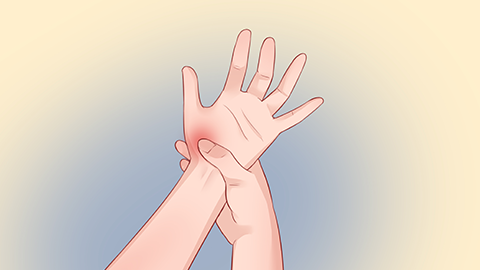
“Mother’s hand” is a form of tenosynovitis. Although tenosynovitis itself is not a life-threatening condition, it can cause significant discomfort once developed. Besides pain, functional impairment of the affected area commonly occurs—limiting free movement and reducing grip strength. This substantially impacts the patient’s daily life and causes considerable inconvenience. Recovery is often slow, and recurrence is common.
In daily life, patients should maintain a positive mindset, actively cooperate with their physicians’ treatment plans, take prescribed medications on time and in correct dosages, and pay close attention to routine self-care—thereby facilitating prompt improvement of symptoms. We hope this information proves helpful.


