


How to Prevent Coronary Heart Disease

Once coronary heart disease (CHD) develops, it is extremely difficult to reverse. Therefore, for this serious and harmful condition, prevention before onset is essential. Adopting appropriate preventive measures in daily life can effectively avoid its adverse effects and complications. So, how can CHD be prevented?
How to Prevent Coronary Heart Disease
Preventing the onset and progression of CHD involves modifying unhealthy lifestyle habits, pharmacological therapy, and, when necessary, surgical intervention. Patients are generally advised to consume light, easily digestible foods—such as rice porridge, milk, and vegetable soup—that are rich in protein, vitamins, and minerals. Conversely, they should avoid high-fat foods—including fatty meats and animal livers—and limit intake of spicy foods (e.g., pepper and mustard) as well as stimulant beverages like strong tea, which may overexcite the nervous system. Implementing these dietary adjustments helps prevent both the development and progression of CHD.

For patients already diagnosed with CHD, medications are crucial to prevent disease progression. Under medical supervision, antiplatelet agents such as aspirin and clopidogrel may be prescribed; anticoagulants and thrombolytics—including heparin, rivaroxaban, and urokinase—may also be used. In patients with angina pectoris, beta-blockers (e.g., metoprolol) are often indicated.
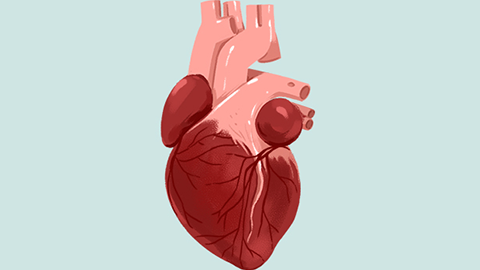
In daily life, patients should maintain a positive mental outlook, actively cooperate with healthcare providers, adhere strictly to prescribed medication regimens (both dosage and timing), and pay close attention to routine self-care. These measures collectively support timely clinical improvement. We hope this information proves helpful to you.


