


Why Do Pregnant Women Experience Low Blood Pressure?
Aug 11, 2022
Source: Cainiu Health

Dr. Li Man
Introduction
Low blood pressure in pregnant women is often due to inadequate nutritional intake; therefore, it is essential to ensure balanced and adequate nutrition throughout pregnancy to meet the body’s increased demands. The majority of pregnant women experience sleep disturbances during gestation. Such sleep disturbances—not only increase the risk of cardiovascular disease—but may also lead to hypotension. In early pregnancy, consuming excessive acidic foods can cause a drop in blood pressure.
Pregnant women sometimes experience dizziness during pregnancy, which is often attributed to low blood pressure. So why do pregnant women develop hypotension?
Why Do Pregnant Women Develop Hypotension?
Hypotension in pregnancy is commonly caused by inadequate nutritional intake. During pregnancy, women must consume a balanced and adequate variety of nutrients to meet their increased physiological demands. The majority of pregnant women experience sleep disturbances during gestation. Poor sleep quality or insomnia not only increases the risk of cardiovascular complications but may also contribute to decreased blood pressure. In early pregnancy, consuming excessive amounts of acidic foods can lead to a drop in blood pressure. Many women eat large quantities of acidic foods during the first trimester—although such foods may help alleviate nausea and vomiting, overconsumption can adversely affect blood pressure regulation.
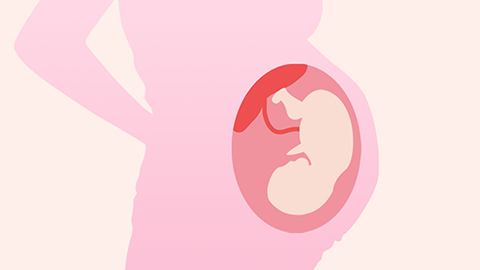
As the fetus grows within the uterus, it may compress the uterus and impede venous return—this mechanical compression is one contributing factor to reduced blood pressure in pregnancy. Some women have pre-existing cardiac conditions; pregnancy can further compromise cardiac function and reduce cardiac output, leading to circulatory insufficiency and consequent hypotension. Additionally, inadequate protective measures during pregnancy—such as failure to prevent bacterial or viral infections—may also exert a negative influence on blood pressure.

A decline in blood pressure during pregnancy warrants attention. If the drop is mild, appropriate dietary adjustments and lifestyle modifications can effectively raise blood pressure and improve overall health. Pregnant women should consume ample protein- and vitamin-rich foods to support optimal fetal growth and development. For women with low blood pressure, moderate intake of peanuts, lean meat, tomatoes, red dates (jujubes), and brown sugar is recommended—these foods help elevate blood pressure and enhance immune function. We hope this article has been helpful. Wishing you a joyful life and good health!


