


Are frequent atrial premature beats serious?

Most people should maintain good health. Occasional illnesses can even be beneficial to health; however, it is essential to correctly understand the risks posed by different diseases and how to respond appropriately. Some individuals experience premature atrial contractions (PACs) multiple times throughout their lives—so, how serious is frequent PAC?
How serious is frequent premature atrial contraction?
Frequent premature atrial contractions are indeed serious. Frequent premature ventricular contractions (PVCs), defined as more than five occurrences per minute, typically arise in the context of structural heart disease. Common underlying conditions include hypertension, coronary artery disease, cardiomyopathy, rheumatic heart disease, and mitral valve prolapse. This is a severe medical condition requiring prompt treatment upon detection. Frequent PVCs may reduce cardiac output. In patients with impaired left ventricular function, PVCs can trigger syncope. Palpitations often provoke anxiety, which in turn elevates catecholamine levels—further increasing PVC frequency and establishing a vicious cycle. Patients with PVC-induced tachyarrhythmias may experience transient loss of vision (amaurosis) or syncope.
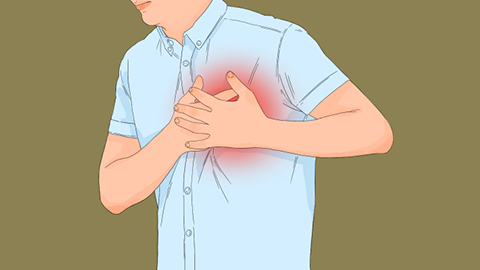
Severe PVCs may also lead to sudden death. Strictly speaking, PVCs themselves do not directly cause death; however, they significantly increase mortality risk among patients with pre-existing heart disease. Patients should never overlook this condition nor self-medicate without physician guidance. If cardiac abnormalities are suspected, prompt evaluation at an accredited hospital is crucial for timely diagnosis and targeted therapy—thereby preventing disease progression and treatment delays.

In daily life, maintain a regular, balanced diet—avoid spicy, stimulating, or excessively rich foods, and refrain from binge eating or staying up late. We hope this information proves helpful to you.


