


How is melanosis coli treated?

Melanosis coli primarily affects individuals with long-standing constipation, especially the elderly. Although its incidence is low and it is rarely encountered clinically, this condition can still cause abnormal bowel movements and impair normal colonic physiological function—particularly during active disease. So, how is melanosis coli treated?
How Is Melanosis Coli Treated?
Dietary therapy is a key component in managing melanosis coli; however, adequate water intake is essential. The primary therapeutic goal is to ensure regular, unobstructed bowel movements. During treatment, patients must discontinue anthraquinone-based laxatives—such as rhubarb and senna leaf. Second-line pharmacological options include prokinetic agents like mosapride and itopride to promote intestinal motility. Other agents used to facilitate bowel movement and relieve bloating include lactulose and polyethylene glycol (PEG) electrolyte powder. For patients with concurrent diabetes, lactulose is generally not recommended due to its sugar content; instead, oral probiotics may be prescribed to modulate gut function. Suitable probiotic preparations include *Bacillus subtilis* and *Enterococcus faecium* dual-strain capsules or quadruple-strain probiotic tablets.

Melanosis coli is a non-inflammatory intestinal disorder characterized specifically by pigmentation (melanin deposition) of the colonic mucosa. Common symptoms include lower abdominal discomfort, bloating, or abdominal pain; additionally, patients often experience constipation, difficulty defecating, poor appetite, and—in severe cases—even anemia. If such symptoms arise, early colonoscopy is strongly advised. Should characteristic findings be observed during colonoscopy, histopathological biopsy is recommended for definitive diagnosis.
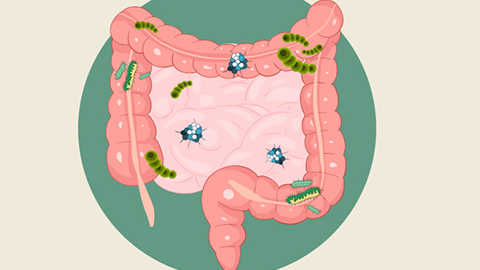
Generally, patients are advised to increase consumption of fruits and vegetables, maintain adequate hydration, engage in moderate physical activity to enhance immunity, establish healthy bowel habits, and reduce the frequency of constipation. When necessary, medications that promote gastrointestinal motility or regulate intestinal microbiota may be taken orally. We hope this information proves helpful.


