


How long is the colon?

The intestine refers to the portion of the digestive tract extending from the pylorus of the stomach to the anus. It is the longest segment of the digestive tract and serves multiple vital functions. As the body’s most important digestive organ and largest detoxification organ, intestinal health is critically important. Many people have limited knowledge about the intestine—especially regarding its length. So, how long is the colon?
How Long Is the Colon?
The colon measures approximately 1.2 to 1.5 meters in length. It surrounds the small intestine, beginning at the cecum and ending at the rectum. Anatomically, it is divided into four segments: the ascending colon, transverse colon, descending colon, and sigmoid colon. Most of the colon is fixed to the posterior abdominal wall, and its overall arrangement resembles the letter “M,” encircling the small intestine. If abnormalities arise during clinical examination, common manifestations include abdominal pain, diarrhea, purulent or bloody stools, intussusception, and constipation. Should any of these symptoms occur, prompt medical evaluation at a hospital is strongly recommended.
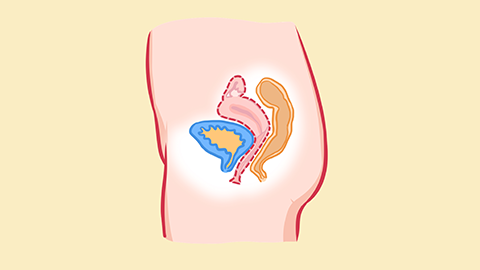
The large intestine is shorter but thicker than the small intestine and comprises the colon, rectum, appendix, and anal canal. Its total length is about 1.5 meters; however, individual intestinal lengths vary and are generally estimated at four to five times a person’s height. The anal canal is the longest segment of the digestive tract. While the small intestine absorbs nutrients and performs digestion, the large intestine primarily concentrates food residue to form feces.

The colon’s primary function is water absorption. Additionally, certain bacteria residing in the intestine synthesize essential vitamins required by the human body. We hope this information has been helpful.


