


Nausea and vomiting occur when feeling hungry during early pregnancy.

It is widely known that marriage and childbirth are profoundly joyful experiences for most people. Pregnancy is divided into several stages: early, mid, and late pregnancy. Early pregnancy receives particular attention from healthcare providers, as numerous precautions must be observed. So, does hunger during early pregnancy cause nausea and vomiting?
Nausea and Vomiting When Hungry During Early Pregnancy
The causes of nausea and vomiting triggered by hunger during early pregnancy may include gastrointestinal disorders or pathologies affecting adjacent digestive organs. Common underlying conditions include inflammation or ulcers of the duodenum and stomach; other intestinal inflammatory or ulcerative diseases may also contribute. Historically, duodenal ulcers might have gone unnoticed or undiagnosed clinically. However, hormonal fluctuations during pregnancy can trigger recurrence or exacerbation of such pre-existing conditions, leading to gastrointestinal discomfort—including nausea and vomiting—especially when fasting. Additionally, conditions such as hepatitis, biliary obstruction, cholangitis, or pancreatitis may impair digestive fluid secretion, thereby inducing or worsening nausea and vomiting during early pregnancy, particularly when hungry—and these symptoms may be further amplified by hormonal effects.
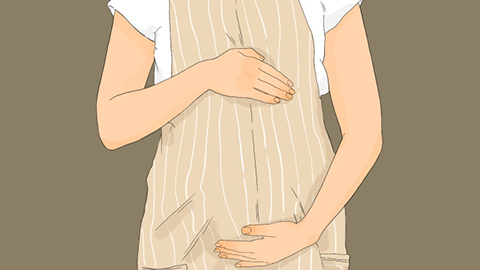
During early pregnancy, adequate rest is essential; excessive fatigue and vigorous physical activity should be avoided. At this stage, the embryo has only recently implanted and remains unstable. Intense exercise or physical stimulation may provoke uterine contractions and increase the risk of miscarriage.
In daily life, cultivating healthy lifestyle and dietary habits is crucial. We hope this information proves helpful to you.


