


Can you feel nauseous one week after conception?

Under normal circumstances, nausea and other early pregnancy symptoms do not occur during the first week of pregnancy. Generally, early pregnancy symptoms begin around six weeks (one and a half months) after conception and typically subside by the end of the third month. However, this timeframe is not absolute. So, can nausea occur as early as one week into pregnancy?
Can nausea occur one week after conception?
If conception occurred just one week ago, nausea would not normally be expected. Early pregnancy symptoms usually begin gradually around six weeks after the last menstrual period—when human chorionic gonadotropin (hCG) levels rise significantly. Some women with pre-existing gastrointestinal discomfort may experience nausea at this stage, but such symptoms are not necessarily attributable to early pregnancy. In fact, most women do not exhibit classic early pregnancy symptoms—including morning nausea, vomiting, or general queasiness—during the first week.
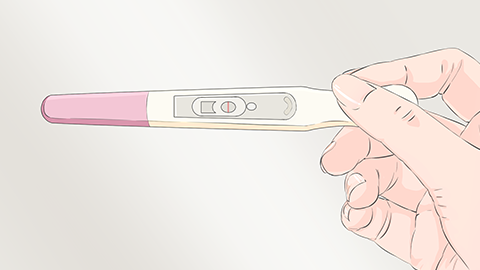
Sometimes, nausea in the first week may be linked to psychological factors—or more commonly, to upper gastrointestinal disorders such as gastritis. The primary symptoms of such conditions are nausea and vomiting, which are generally unrelated to pregnancy. True early pregnancy symptoms typically appear around six weeks after the last menstrual period and include not only nausea but also chills, dizziness, excessive salivation, fatigue, drowsiness, loss of appetite, and morning sickness.
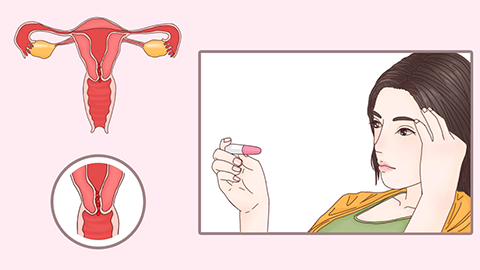
In addition, some women may experience increased urinary frequency and light vaginal bleeding. During early pregnancy, the uterus begins tilting forward, exerting pressure on the bladder within the pelvis—leading to more frequent urination. A small number of women may also notice slight vaginal spotting around the time of embryo implantation. Occasionally, symptoms resembling perimenopause may also occur. We hope this information is helpful to you.


