


What Should Pregnant Women Eat to Avoid Nausea?

Once a woman becomes pregnant, her hormonal levels undergo significant changes, which can trigger various physical responses. One of the most common early pregnancy symptoms is morning sickness—characterized by nausea and, in more severe cases, vomiting. This is entirely normal. So, what foods can help alleviate nausea during pregnancy?
What to Eat During Pregnancy to Reduce Nausea
Pregnant women experiencing nausea and vomiting should opt for bland, easily digestible foods. Depending on individual tolerance, they may consume fruits or various nuts—but flavors should remain mild, and intake of sugar and salt must be strictly controlled, as excessive amounts may exacerbate nausea and vomiting. During the first trimester, consuming more millet porridge or plain noodles can help ease these symptoms. Foods containing mild acidic components (e.g., lemon or pickled ginger) may also help reduce nausea. It is recommended to prioritize light, nutrient-rich, and easily absorbed foods to meet maternal nutritional needs. In cases of severe nausea and vomiting, intravenous fluid supplementation may be necessary to provide nutritional support. Additionally, acupuncture or acupressure at the Zusanli (ST36) point, combined with vitamin B1 administration, may help alleviate nausea and vomiting.
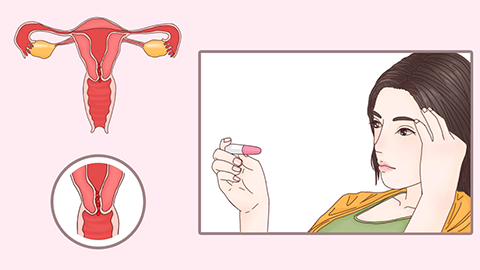
During the first three months of pregnancy, women should pay special attention to their diet. Bland foods such as noodles, dry toast, and cool, plain crackers are ideal—they ease gastrointestinal burden and help relieve nausea and vomiting. Such foods not only supply essential carbohydrates but also mitigate nausea and vomiting, while helping maintain electrolyte balance.
In daily life, maintaining regular, balanced meals is crucial. Avoid spicy, highly seasoned, or overly stimulating foods; refrain from overeating or binge eating; and ensure adequate rest—avoid staying up late. We hope this information proves helpful.


