


Is it appropriate for yin deficiency to take Liu Wei Di Huang Wan?

Liu Wei Di Huang Wan (Six-Ingredient Rehmannia Pill) is a commonly kept herbal formula in many households and offers significant health benefits. It can enhance immune function and help lower blood lipid and blood glucose levels. Many people take Liu Wei Di Huang Wan specifically to support kidney health and alleviate symptoms associated with kidney deficiency. But is it appropriate for individuals with yin deficiency?
Can individuals with yin deficiency take Liu Wei Di Huang Wan?
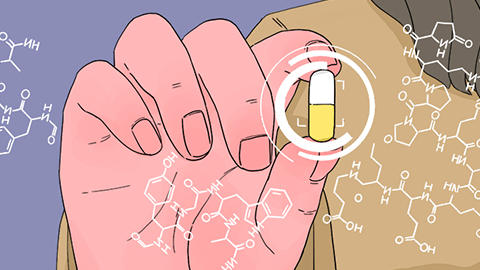
Yes, individuals with yin deficiency may take Liu Wei Di Huang Wan. Yin deficiency can affect any organ system—including the kidneys, liver, heart, and lungs—resulting in patterns such as kidney yin deficiency, liver yin deficiency, heart yin deficiency, or lung yin deficiency. Different herbal formulas are selected according to the affected organ to achieve optimal therapeutic effects. Liu Wei Di Huang Wan is specifically indicated for nourishing kidney yin and has relatively limited efficacy for yin deficiency affecting other organs. For example, individuals with excessive heart fire or heart yin deficiency may benefit more from Tian Wang Bu Xin Dan (Emperor’s Heart-Nourishing Pill), while those with liver yin deficiency may respond better to Qing Gan Bie Jia Tang (Liver-Clearing Softshell Turtle Shell Decoction). Therefore, for yin deficiency, it is best to consult a qualified practitioner to determine the most appropriate herbal therapy and treatment plan. During treatment, patients should also adjust their diet and physical activity accordingly.
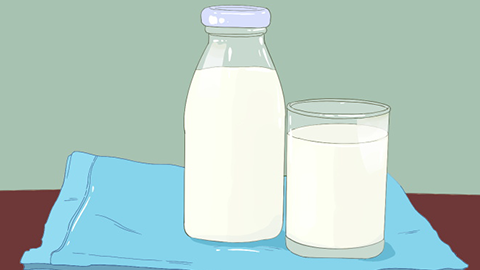
Patients are advised to consume light, nutritious foods that are naturally sweet and nourishing. Emphasize fresh vegetables rich in dietary fiber and high-quality protein, such as duck meat, pork skin, eggs, milk, softshell turtle, scallops, and sea cucumber. Fruits such as snow pears, grapefruit, and grapes are also beneficial. Herbal teas made from chrysanthemum, ginseng, and Ophiopogon root (Mai Dong) may be consumed as supportive tonics. In daily life, patients should practice moderation in sexual activity, avoid overexertion and emotional stress (especially anger), and ensure adequate rest.
If any of the aforementioned symptoms appear, patients should seek medical attention promptly to facilitate early detection, accurate diagnosis, and timely treatment—thereby optimizing clinical outcomes. We hope this information is helpful to you.


