


How Are Tonsils Graded?

In clinical practice, the severity of tonsillar enlargement is categorized into distinct degrees. The classification criteria vary depending on the extent of anatomical involvement. So, how are tonsillar enlargement degrees defined?
How Are Tonsillar Enlargement Degrees Classified?
Tonsillar enlargement is classified into three degrees: - Grade I: The tonsils extend no further than the palatoglossal arch. - Grade II: The tonsils extend beyond the palatoglossal arch but do not reach the uvula. - Grade III: The tonsils approach or touch the midline and may nearly contact the uvula bilaterally.
It is important to note that the degree of tonsillar enlargement does not always correlate with the severity of underlying tonsillar disease. For instance, patients with markedly enlarged tonsils may not necessarily have more severe tonsillitis. Conversely, in cases of cryptic tonsillitis, the tonsils may appear small, yet chronic inflammation persists due to obstruction of the tonsillar crypts—preventing adequate drainage of inflammatory exudates—and leading to significant symptoms. Such chronically inflamed, “focal” tonsils may become a source of systemic infection or immune-mediated complications.
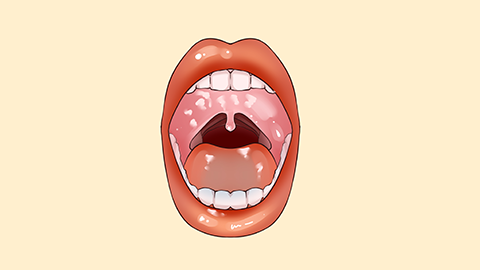
Tonsillar enlargement can cause clinically significant harm—particularly in children—by contributing to upper airway obstruction and resulting in obstructive sleep apnea-hypopnea syndrome (OSAHS), which warrants prompt evaluation and management. Importantly, the degree of tonsillar swelling may not reflect the presence or severity of underlying pathology; thus, any suspected tonsillar abnormality should be evaluated thoroughly through formal medical assessment at a healthcare facility. Surgical intervention may be indicated for focal tonsillar disease, marked tonsillar hypertrophy associated with snoring, or confirmed obstructive sleep apnea.

Patients with tonsillar enlargement should avoid fried, dry, spicy, or otherwise irritating foods—such as fried dough sticks (youtiao), chili peppers, garlic, and ginger. Instead, they are encouraged to consume fresh fruits and vegetables, legumes, and mild beverages—for example, apples, pears, and soy milk. Maintaining good oral hygiene—including regular toothbrushing and consistent oral care habits—is also essential. We hope this information has been helpful!


