


What is carotid artery atherosclerosis?

The carotid arteries include the common carotid artery and its branches—the internal carotid artery and the external carotid artery. Carotid artery stenosis caused by carotid atherosclerosis is a significant risk factor for ischemic cerebrovascular disease. Because most cases of carotid atherosclerosis are asymptomatic, they are frequently overlooked. So, what exactly is carotid atherosclerosis?
What Is Carotid Atherosclerosis?
Carotid atherosclerosis represents a manifestation of systemic atherosclerosis affecting the carotid arterial system. It typically begins during adolescence and progressively worsens with advancing age. Currently, it is considered closely associated with the occurrence of ischemic stroke in older adults. In the early stages of carotid atherosclerosis, the intima and media layers of the arterial wall first thicken, followed gradually by the formation of atherosclerotic plaques. Subsequently, complications such as plaque hemorrhage, plaque rupture and embolization, mural thrombus formation, and secondary vascular stenosis may develop. These changes induce corresponding hemodynamic alterations, ultimately leading to ischemic cerebrovascular events.
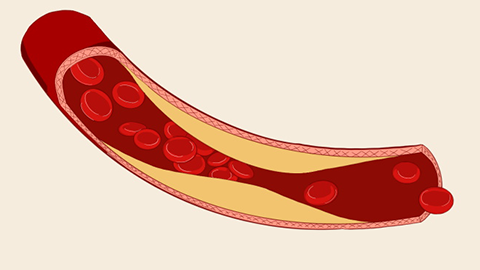
Prevention of carotid atherosclerotic disease primarily involves adopting a healthy lifestyle and actively managing modifiable risk factors—such as maintaining a balanced diet, limiting intake of salt and fats, engaging in regular physical exercise, controlling body weight, and managing blood pressure, blood glucose, and lipid levels. Carotid sclerosis refers to hardening of the carotid artery, characterized by intimal hyperplasia, smooth muscle proliferation, migration of extracellular matrix from the adventitia, lipid deposition within the arterial wall, and calcium ion accumulation—all contributing to arterial stiffening. Additionally, smoking cessation, alcohol abstinence, adherence to healthy daily routines (e.g., avoiding late-night activity), ensuring adequate rest, and consuming a low-salt, low-fat, and low-sugar diet are strongly recommended.
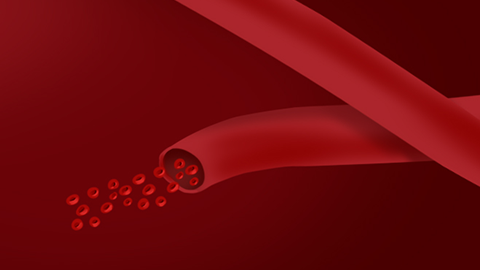
Carotid sclerosis predominantly refers to hardening of the carotid artery, especially the internal carotid artery. Whether involving the internal or external carotid artery, sclerosis can produce various cerebral symptoms in patients, such as dizziness and a sensation of head fullness or pressure. Potential underlying causes include isolated atherosclerosis, hyperlipidemia, or diabetes mellitus complicated by atherosclerosis. We hope this explanation proves helpful to you.


