


What are the symptoms of cervical erosion?

In the early stage of cervical ectropion (formerly termed “cervical erosion”) in women, symptoms are often mild or absent, leading many to overlook it. However, when cervical ectropion becomes more severe, noticeable symptoms may appear, significantly impacting the patient’s daily life and work. So, what symptoms does cervical ectropion present?
What Are the Symptoms of Cervical Ectropion?
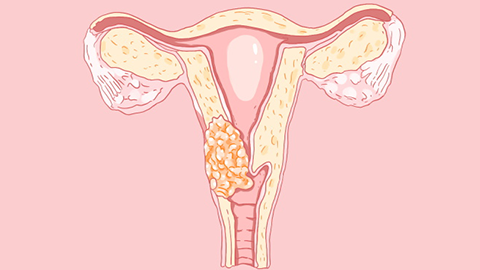
The primary clinical manifestations of cervical ectropion include increased vaginal discharge, foul odor, postcoital (contact) bleeding, and lower back pain. It is recommended to visit a hospital for gynecological examination, colposcopy, and cervical cytology (Pap smear). Clinically, cervical ectropion is categorized into physiological (benign) and pathological types. Physiological cervical ectropion typically causes no symptoms or discomfort. If cervical cytology reveals inflammatory changes and the ectropion is mild, topical vaginal treatment with a medicated suppository (e.g., Xiaomi Suppository) may be selected.

Cervical ectropion is generally caused by outward displacement (ectropion) of the columnar epithelium of the cervix—a normal physiological phenomenon—so there is no need for undue concern. However, if accompanied by lower abdominal pain, increased vaginal discharge, and fever, cervical liquid-based cytology should be performed, and oral antibiotics may be prescribed for treatment.
In daily life, patients should maintain a positive mindset, actively cooperate with their physicians during treatment, take medications as prescribed (both on schedule and at the correct dosage), and pay attention to routine self-care to facilitate prompt improvement of their condition. We hope this response has been helpful to you.


