


Differences Between Tonsillar Hypertrophy and Adenoid Hypertrophy
Aug 15, 2022
Source: Cainiu Health

Dr. Xu Gang
Introduction
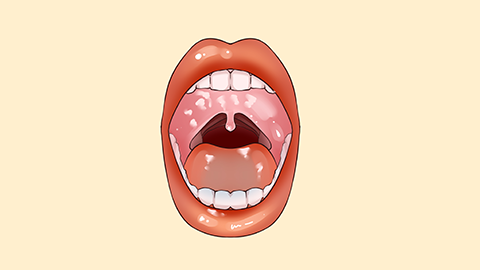
The distinction between tonsillar hypertrophy and adenoid hypertrophy lies in their differing onset times and clinical manifestations. The tonsils are located in the oral cavity and are visible upon opening the mouth. Under normal circumstances, the tonsils do not exhibit obvious enlargement; however, recurrent inflammation may lead to hyperplasia and hypertrophy. Clinically, tonsillar hypertrophy is graded into three degrees: first-degree, second-degree, and third-degree hypertrophy.
Tonsillar hypertrophy is a very common condition in daily life, primarily caused by pharyngeal infection or recurrent inflammatory stimulation. Although this condition is highly prevalent, it should not be overlooked due to its significant impact on health. So, what are the differences between tonsillar hypertrophy and adenoid hypertrophy?
Differences Between Tonsillar Hypertrophy and Adenoid Hypertrophy
The key differences between tonsillar hypertrophy and adenoid hypertrophy lie in their onset timing and clinical manifestations. Tonsils are located within the oral cavity and are readily visible upon opening the mouth; they may undergo hyperplasia and enlargement. Clinically, tonsillar enlargement is classified into three degrees: first-degree, second-degree, and third-degree hypertrophy. When a child opens their mouth, a physician can visually assess and diagnose the degree of enlargement without requiring additional specialized tests. In contrast, adenoids (also known as pharyngeal tonsils) are situated in the posterior nasal aperture—specifically, in the nasopharynx.
Marked adenoid hypertrophy may obstruct the posterior nasal aperture, leading to symptoms such as mouth breathing, nasal congestion, and rhinorrhea. Diagnosis typically requires imaging studies—such as lateral nasopharyngeal radiographs—or endoscopic evaluation via nasal endoscopy. If examination reveals that a child has significantly enlarged tonsils and adenoids accompanied by relevant clinical symptoms, surgical removal (i.e., tonsillectomy and adenoidectomy) may be considered. This intervention helps prevent sleep-related hypoxia in children, which could otherwise impair intellectual development and even lead to maxillofacial deformities.

Caring for children involves not only physical health but also psychological support—a crucial aspect often underestimated. We hope this explanation proves helpful to you.




