


What Causes an Enlarged Uterus?

Women often discover an enlarged uterus during routine examinations. Uterine enlargement primarily refers to uterine expansion occurring after full-term delivery. So, what causes uterine enlargement?
What Causes Uterine Enlargement?
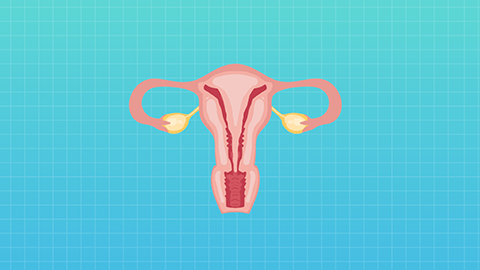
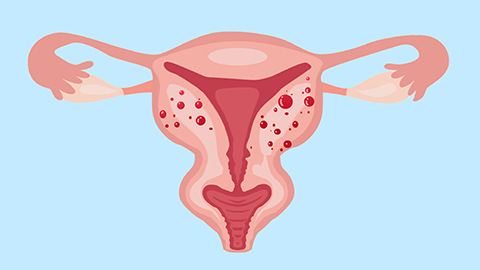
The uterus is the organ responsible for menstruation and fetal development. In adult women, the normal uterine size is approximately 7–8 cm in length, 4–5 cm in width, and 2–3 cm in thickness. When the uterus exhibits uniform enlargement—with myometrial thickness exceeding 2.5 cm—and is accompanied by some degree of uterine bleeding, symptoms may include a sensation of heaviness or dull pain in the lower abdomen, low back or abdominal pain, and increased vaginal discharge. This constellation of findings typically indicates uterine hypertrophy (also termed “uterine enlargement” or “hypertrophic uterus”). The main underlying causes include:
- Incomplete postpartum uterine involution following multiple pregnancies: Repeated childbirth leads to proliferation of elastic fiber tissue within the myometrium, particularly between smooth muscle fibers and around blood vessels, resulting in uterine hypertrophy.
- Ovarian dysfunction: Endocrine imbalance—especially persistently elevated estrogen levels—causes continuous estrogenic stimulation of the myometrium, leading to thickening of the uterine muscle layer.
- Chronic inflammation: Conditions such as chronic adnexitis, pelvic connective tissue inflammation, and chronic endomyometritis trigger collagen fiber proliferation within the myometrium, causing uterine fibrosis.
- Pelvic congestion: Chronic venous stasis in the pelvis contributes to uterine enlargement.
Dietary adjustments may help manage uterine enlargement. For example, consuming lamb-based dishes—particularly those prepared with Danggui (Chinese angelica root), lamb, Shengdi (raw rehmannia root), and Ganjiang (dried ginger)—can be beneficial. Roasted lamb prepared using traditional methods offers excellent effects in tonifying qi and nourishing blood, warming the middle burner, and replenishing deficiency. It is especially suitable for individuals with qi deficiency manifesting as menorrhagia, mental fatigue, weak and thready pulse, and uterine enlargement.
We hope this article has been helpful to you!


