


Why do nosebleeds occur during sleep at night?
Aug 15, 2022
Source: Cainiu Health

Dr. Xu Gang
Introduction
Nosebleeds during sleep may result from diseases of the nasal cavity and paranasal sinuses, or they may be caused by certain systemic disorders; however, nasal and sinus conditions are the most common causes. Bleeding may occur unilaterally or bilaterally, intermittently, or as a single episode of massive hemorrhage leading to shock. Recurrent minor bleeding can cause anemia. Common causes include nasal inflammation, nasal tumors, and nose-picking.
Over the past two nights, you experienced epistaxis (nosebleeds) while asleep. Since the bleeding occurred during sleep, it was only noticed the following morning. So why does epistaxis occur during sleep?
Why Does Epistaxis Occur During Sleep?
Nocturnal epistaxis may result from diseases of the nasal cavity or paranasal sinuses, or it may be caused by systemic conditions—though nasal and sinus disorders are the most common causes. Bleeding may occur unilaterally or bilaterally, intermittently, or as a single episode of massive hemorrhage leading to shock. Recurrent minor bleeding can cause anemia. Common local causes include nasal inflammation, nasal tumors, and habitual nose-picking, all of which can injure the nasal mucosa and blood vessels. Other local factors include nasal septal deviation, nasal tumors, and nasal hemangiomas. Systemic conditions—including leukemia and cardiovascular diseases—can also lead to epistaxis.
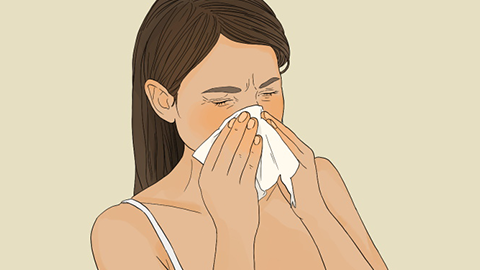
Epistaxis should never be taken lightly. If nocturnal nosebleeds are frequent or severe, prompt medical evaluation is essential to identify the underlying cause and initiate appropriate treatment—thereby alleviating symptoms and restoring health.
Additionally, during recovery from epistaxis, patients should observe dietary precautions: avoid foods that may exacerbate bleeding, such as chili peppers, black pepper, and baijiu (Chinese distilled liquor). Patients should also refrain from touching or manipulating the nose. Conversely, mild, nutritious, and hemostatic foods may be consumed in moderation to support healing and overall health. We hope this information proves helpful!


