


Can you eat Houttuynia cordata (fish mint) during menstruation?

Houttuynia cordata (also known as “zhé’ěrgēn”) is a herbaceous plant. In fact, many people also consume Houttuynia cordata as a vegetable. So, can it be eaten during menstruation?
Can Houttuynia cordata be consumed during menstruation?
Houttuynia cordata may be consumed during menstruation, but excessive intake should be avoided. Generally, it has minimal impact on the menstrual cycle. However, because Houttuynia cordata is considered “cold” in nature according to Traditional Chinese Medicine (TCM), long-term or large-dose consumption—especially during menstruation—is not recommended. If menstrual irregularities occur, timely medical consultation is advised for appropriate evaluation and management. Should you notice changes in menstrual flow after consuming Houttuynia cordata during your period, consider reducing the dosage or seeking medical guidance for further evaluation and treatment.

Menstruation typically results from the cyclical thickening, shedding, and bleeding of the uterine endometrium. Starting at puberty, the functional layer of the endometrium undergoes periodic changes under the influence of ovarian hormones—specifically, approximately every 28 days, the endometrium undergoes cycles of shedding with bleeding, proliferation, and repair. A sudden decline in estrogen and progesterone levels leads to ischemia of the functional endometrial layer, resulting in cellular necrosis; the necrotic tissue, along with the shed endometrium, is then expelled via the vagina—this constitutes menstruation.
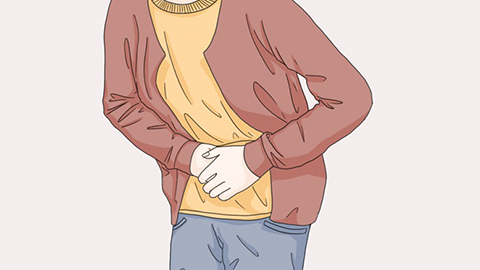
During menstruation, women often experience relative physical weakness; therefore, adequate rest and avoidance of overexertion are essential. Dietary considerations are also important: cold or raw foods should be avoided to prevent chilling, and spicy or irritating foods should be limited, as they may exacerbate menstrual bleeding. We hope this information is helpful. Wishing you good health and happiness!


