


Can wisdom teeth cause gum swelling and pain?
Aug 19, 2022
Source: Cainiu Health

Dr. Zhang Liwen
Introduction
Wisdom teeth commonly cause gum swelling and pain. In addition to gum inflammation and discomfort, impacted or erupting wisdom teeth may also lead to adverse symptoms such as headache, facial swelling (often affecting one side of the face), and fever—significantly impairing the patient’s daily life. Typically, patients may first take medications to reduce inflammation and swelling; once the inflammation has subsided, extraction of the wisdom tooth can be considered.
Since most wisdom teeth erupt in misaligned positions, food debris tends to accumulate around them, leading to gingival swelling and pain.
Can wisdom teeth cause gingival swelling and pain?
Yes, wisdom teeth commonly cause gingival swelling and pain. In addition to these symptoms, impacted or partially erupted wisdom teeth may also trigger headaches, facial swelling (often unilateral), fever, and other systemic discomforts—significantly affecting the patient’s daily life. Initially, patients may take anti-inflammatory medications to alleviate inflammation and swelling; once the acute inflammation subsides, extraction of the wisdom tooth is typically recommended. Patients are advised to visit a reputable local hospital’s Department of Stomatology for a thorough evaluation; treatment will be tailored based on the specific position and condition of the wisdom tooth.
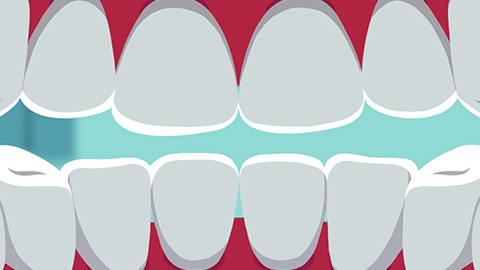
The gingival swelling and pain caused by wisdom teeth are characteristic of pericoronitis—a condition resulting from inflammation of the soft tissues surrounding the crown of an incompletely erupted wisdom tooth. Typical manifestations include localized swelling, pain, and sometimes systemic symptoms such as low-grade fever or malaise. Under medical supervision, oral anti-inflammatory medications are indicated. Locally, rinsing with hydrogen peroxide solution followed by saline irrigation can help cleanse the area. A common contributing factor is the formation of a “blind pouch” (a pocket) between the wisdom tooth and the overlying gum tissue, which readily traps bacteria and promotes infection—the primary cause of pericoronitis. Due to their unique anatomical location, most wisdom teeth are impacted, making pericoronitis extremely common.
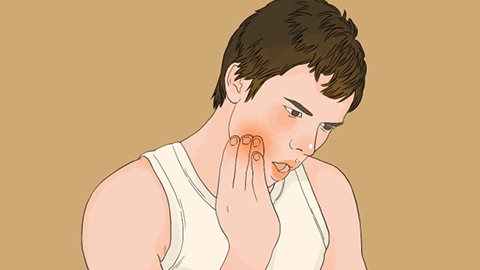
Patients experiencing gingival swelling and pain should seek prompt medical attention. We hope this information has been helpful.


