


What Causes Blood Blisters on the Gums?

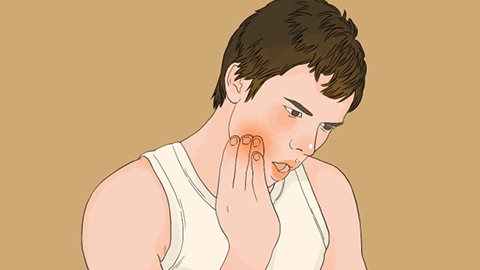
Most people today experience some degree of oral health issues—ranging from toothache or gingival pain to oral ulcers or dental caries. In addition, some individuals develop blisters on their gums, causing severe pain and significantly interfering with normal eating.

What Causes Blood Blisters on the Gums?
In general, blood blisters on the gums may result from external trauma, gingivitis, or periodontal abscesses. Patients are advised to seek prompt medical evaluation at a hospital, undergo appropriate diagnostic tests, and receive targeted treatment. A detailed analysis follows:
1. External Trauma
Damage to the gingival mucosa caused by external factors—such as consuming excessively spicy or irritating foods, or physical injury (e.g., bumps or knocks)—can rupture small blood vessels in the gum tissue, leading to leakage of blood and tissue fluid and subsequent formation of a blood blister. To prevent such occurrences, avoid eating overly hard or scalding-hot foods, and refrain from talking or laughing while chewing to minimize risks of accidental biting or thermal injury.
2. Gingivitis
Poor oral hygiene may allow pathogenic microorganisms to proliferate, triggering an inflammatory response. When inflammation spreads to surrounding tissues, it can manifest as blood blisters on the gums. Under a physician’s guidance, patients may be prescribed medications such as minocycline hydrochloride capsules or tinidazole capsules. Concurrently, maintaining rigorous oral hygiene is essential.
3. Periodontal Abscess
Prolonged inflammatory stimulation of periodontal tissues may lead to the formation of a periodontal abscess, which can present clinically as blood blisters on the gums. Antibiotic therapy—such as cefixime capsules or metronidazole tablets—may be prescribed under medical supervision. In severe cases, incision and drainage of the abscess may be required.
Besides the above causes, other conditions—including mucous membrane pemphigoid and periapical periodontitis—may also produce similar symptoms. Therefore, patients experiencing blood blisters on the gums should seek timely medical evaluation and treatment. We hope this information proves helpful.


