


Can I eat mangoes during my menstrual period?
Aug 19, 2022
Source: Cainiu Health

Dr. Chen Zhe
Introduction
Mangoes can be consumed during menstruation, but excessive intake should be avoided. Mangoes are highly nutritious, containing various vitamins and trace elements. Moderate consumption of mangoes can help replenish vitamins, enhance immune function, and alleviate menstrual discomfort. Additionally, the high dietary fiber content in mangoes may help prevent or relieve constipation during menstruation. However, women with known allergies or allergic constitutions should avoid consuming mangoes indiscriminately.
There are numerous precautions to observe during menstruation. Neglecting them may impair menstrual blood flow, cause physical discomfort, and even contribute to endometriosis. Therefore, understanding these menstrual precautions is critically important. So—can you eat mangoes during your period?
Can You Eat Mangoes During Your Period?
Yes, you can eat mangoes during your period—but in moderation. Mangoes are highly nutritious, rich in various vitamins and trace elements. Consuming them in appropriate amounts helps replenish essential vitamins, boost immune function, and alleviate menstrual discomfort. Their high dietary fiber content may also help prevent or relieve constipation commonly experienced during menstruation. However, women with known food allergies should avoid mangoes altogether to prevent allergic reactions. Additionally, mangoes are considered a “cool” (i.e., cold-natured) fruit in traditional dietary theory; excessive consumption during menstruation may trigger dysmenorrhea or cause abnormal changes in menstrual flow. Eating a small amount poses no risk to menstrual health, but overconsumption should be avoided.
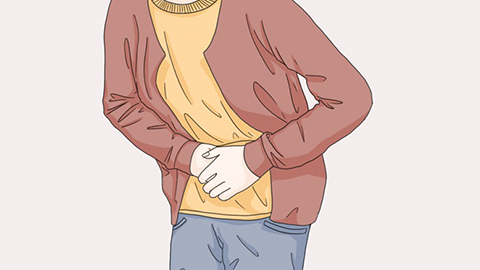
Menstruation is a unique physiological phase for women, requiring special attention to lifestyle and habits. During this time, prioritize rest, avoid fatigue and late-night sleep deprivation, and minimize contact with cold water. Pay close attention to diet: limit spicy, greasy, and cold foods. Instead, increase intake of calcium- and vitamin-rich foods, which may help reduce the risk of premenstrual syndrome (PMS). Avoid overeating; maintain regular, portion-controlled meals to prevent large fluctuations in blood glucose levels. Opt for whole-grain foods such as oats and barley bread, lean meats, high-quality protein sources, and a variety of fresh fruits and vegetables. Minimize consumption of sweets, as excess sugar intake may disrupt hormonal balance and destabilize mood.

During menstruation, women must pay particular attention to dietary health to help prevent dysmenorrhea. We hope this information proves helpful to you.



