


Can you eat pizza if you have gastroenteritis?

Pizza comes in many flavors and is especially popular among children. Making it at home is not only more convenient but also healthier—ingredients can be selected with greater care for freshness and hygiene. With basic pantry staples such as flour, eggs, cheese, and other toppings, preparing pizza at home is simple and straightforward. But can individuals with gastroenteritis eat pizza?
Can people with gastroenteritis eat pizza?
During the acute phase of gastroenteritis, pizza should be avoided. It is high in calories and fat, making it difficult to digest and placing additional strain on the gastrointestinal tract—thus hindering recovery. Instead, patients should consume easily digestible liquid or semi-liquid foods, such as rice water, thin congee, or soft noodles. Spicy, unhygienic, or excessively greasy foods—which are hard to digest—should be strictly avoided. Adequate rest and abdominal warmth are essential. In cases of severe vomiting and diarrhea, oral rehydration with warm, dilute salt water is recommended to replenish lost fluids and electrolytes. Probiotics may help restore intestinal flora balance; antibiotics—either oral or intravenous—may be prescribed if clinically indicated.

Pizza is high in calories, and long-term or frequent consumption is not advisable. Moreover, excessive intake of any single food type may lead to nutritional imbalance. A balanced diet—including fruits, vegetables, and whole grains—is recommended to ensure comprehensive nutrition, particularly for children, whose growth and development depend on adequate nutrient intake.
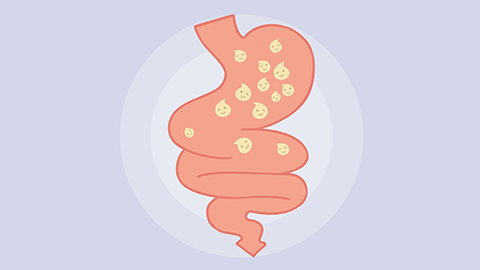
Patients with gastroenteritis must consistently avoid high-calorie, high-fat foods. We hope this information proves helpful!


