


Causes of Osteoporosis

Osteoporosis is highly prevalent in current medical practice—a systemic bone disorder that significantly increases the risk of fractures, even in the absence of trauma or following only minor injury. Today, many elderly individuals in China suffer from severe osteoporosis, making it a major public health concern worthy of widespread attention. So, what causes osteoporosis?
Causes of Osteoporosis
One contributing factor to osteoporosis is long-term smoking, which reduces cortical bone mineral density and elevates the incidence of the disease. Regular consumption of high-salt foods or chronic malnutrition can also predispose individuals to osteoporosis. Additionally, hormonal imbalances—such as the marked decline in estrogen levels following menopause—greatly increase susceptibility to osteoporosis. For instance, during menopause or with premature ovarian failure, estrogen production drops sharply or ceases altogether, accelerating bone loss and gradually leading to osteoporosis. Consequently, postmenopausal women are at particularly high risk. Similarly, men with sexual dysfunction often experience a significant decline in testosterone levels, which may also contribute to osteoporosis.
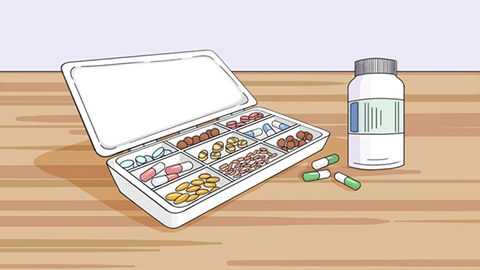
Calcium loss is a major clinical cause of osteoporosis, and calcium supplementation forms an essential part of its treatment. Patients diagnosed with osteoporosis must also take precautions to prevent falls and injuries, as these are common precipitants of fractures. In daily life, individuals should consume calcium-rich foods orally—such as sesame paste, peanut butter, and milk—while avoiding strong tea, coffee, and carbonated beverages. Other excellent dietary sources of calcium include small fish (eaten whole with bones), shrimp, and oysters. Furthermore, foods rich in vitamin D—such as salmon—should be consumed regularly. The most serious complication of osteoporosis is fragility fracture.

When patients develop osteoporosis, timely medical evaluation and treatment are crucial to prevent disease progression. We hope this information proves helpful to you.


