


What should I do if I develop eczema near the anus?

Perianal eczema is confined to the skin surrounding the anus, though in rare cases it may extend to the perineum. The affected skin is typically moist, macerated, and thickened, and may develop fissures. During the acute phase, the rash commonly presents as dense small papules, vesicles, or tiny blisters, often accompanied by millet-like granules and an erythematous base. So, what should one do if eczema develops around the anus?
What to Do If Eczema Develops Around the Anus
For patients with perianal eczema, treatment may involve either oral or topical medications. The etiology of perianal eczema is multifactorial, involving individual constitutional factors, genetic predisposition, gastrointestinal dysfunction, and endocrine disorders; it may also be triggered by external irritants such as trauma, friction, or hemorrhoids. Clinically, perianal eczema manifests on the perianal and gluteal skin with varying degrees of erythema, vesicles, lichenification, and scaling, frequently accompanied by pruritus.
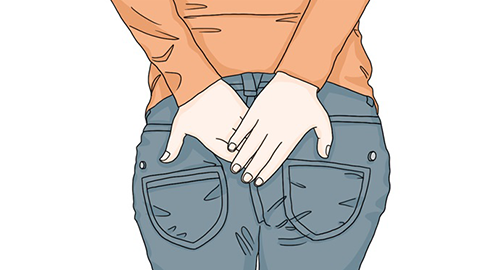
The patient should endeavor to identify the underlying cause and undergo a comprehensive systemic examination to rule out chronic conditions or visceral diseases that might contribute to the eczema. All external irritants—including hot water scalding, vigorous scratching, excessive scrubbing, and substances to which the patient is sensitive (e.g., fur or wool products)—should be avoided. Patients should also avoid allergenic or irritating foods such as fish, strong tea, coffee, and alcoholic beverages. Close cooperation with healthcare providers—and active patient participation in self-management—is essential.
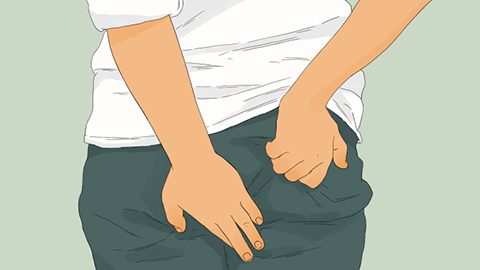
To prevent perianal eczema triggered by external stimuli, patients should wear cotton undergarments and maintain cleanliness and adequate ventilation around the anal area. We hope this information proves helpful.


