


What should I do if my baby develops heat rash on the face?

Hot, humid summer weather makes sweating common—and this is also the peak season for heat rash (miliaria). When babies develop widespread heat rash, they often feel extremely uncomfortable and may even scratch the affected areas, potentially leading to noticeable skin infections. Fortunately, numerous effective home care strategies exist to alleviate and prevent heat rash. However, new mothers may not be fully aware of these approaches. So—what should you do if your baby develops heat rash on the face?
What to Do If Your Baby Develops Heat Rash on the Face
When heat rash appears on a baby’s face, the first step is to optimize their living environment. Heat rash occurs when sweat glands become blocked, preventing timely perspiration and thereby triggering skin irritation or infection. Therefore, ensure the baby’s surroundings are comfortable, with appropriate room temperature and humidity levels. Second, enhance skin care: apply calamine lotion (1%) or talcum powder locally to soothe the skin. For pustular or painful heat rash, a 2% ichthammol-calamine lotion may be used topically; if secondary infection is present, topical application of Mupirocin ointment (e.g., Bactroban®) may be recommended. Finally, adjust the baby’s diet—opt for light, easily digestible foods and avoid spicy or irritating foods, which can help reduce the risk of heat rash.
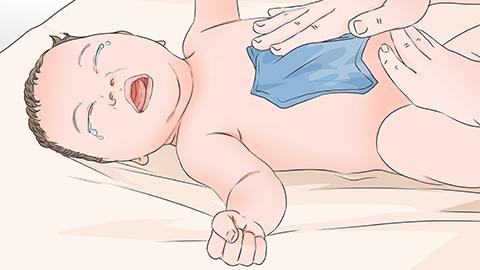
Heat rash on a baby’s face primarily results from hot, humid weather. Because infants have delicate skin and underdeveloped sweat ducts, blockages occur more readily—leading to heat rash. Key management steps include keeping the affected skin area dry. Avoid overdressing the baby; instead, choose loose-fitting, breathable cotton clothing to promote heat dissipation. If sweat accumulates on the baby’s face, gently wipe it away promptly—or wash the face with lukewarm water (avoid alkaline soaps).

If your baby develops facial heat rash, consult a pediatrician or dermatologist promptly to ensure proper diagnosis and treatment—and to prevent complications or disease progression. We hope this information proves helpful.


