


What cough medicines can people with diabetes take?

With the improvement of living standards, the incidence of diabetes is continuously rising; therefore, it is essential to remain vigilant about the development of diabetes in daily life. So, which cough medications can people with diabetes safely take?
Which Cough Medications Can People with Diabetes Take?
If a person with diabetes confirms that their cough is caused by a common cold, taking standard over-the-counter cold and cough medications generally has no direct impact on diabetes management. Common cold remedies such as Baijiahei (a brand-name cold medicine), Gan Kang, and compound phenacetin preparations—which contain caffeine and pseudoephedrine—are generally permissible. Some antitussive agents, such as Suhuang Zhike Capsules, are also considered safe for diabetic patients, provided blood glucose levels are closely monitored. During a cold, diabetic patients often experience physiological stress, which may lead to elevated blood glucose levels; however, this elevation is unrelated to the use of cold or cough medications. As long as the medication’s instructions do not explicitly contraindicate its use in diabetic patients, it is typically acceptable.
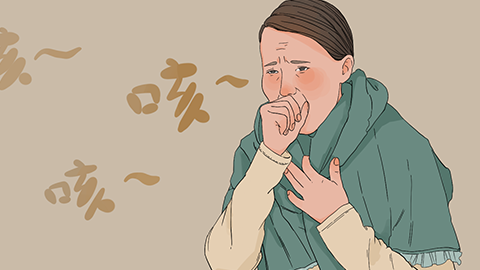
Diabetic patients frequently develop respiratory infections, which often cause significant blood glucose fluctuations—either hyperglycemia or hypoglycemia—potentially leading to hypoglycemic or hyperglycemic coma. Therefore, during such illnesses, patients should pay special attention to dietary management, avoiding foods high in calories and sugar, and should monitor blood glucose levels closely. If hypoglycemia occurs, medication doses may need to be reduced. Conversely, if hyperglycemia develops, timely adjustments to insulin or oral antidiabetic drug dosages are essential. Following onset of cold or cough symptoms, prompt and aggressive infection control is critical—more so than in non-diabetic individuals. A complete blood count (CBC) should be performed to determine whether the infection is viral or bacterial, guiding appropriate treatment with antiviral or antibiotic therapy.
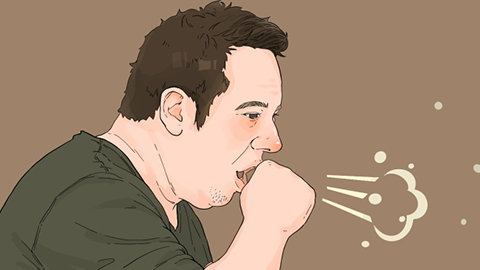
Patients with diabetes and cough should avoid cough suppressants or expectorants containing high amounts of sugar. We hope this information proves helpful. Wishing you good health and a joyful life!


