


Can iodophor be applied to athlete’s foot?

From surgical procedures and injections to blood sampling for laboratory tests, hospitals routinely use disinfectants. Povidone-iodine effectively kills bacterial vegetative cells, spores, fungi, some viruses, and protozoa, and is widely employed in clinical settings. In fact, povidone-iodine is not only suitable for medical use but also has numerous applications in daily household life. So, can povidone-iodine be applied to treat athlete’s foot (tinea pedis)?
Can povidone-iodine be used for athlete’s foot?
Yes, povidone-iodine may be applied to affected areas of athlete’s foot; however, it does not treat the underlying fungal infection. As an antiseptic agent, povidone-iodine is primarily indicated for skin and wound disinfection. If an individual with athlete’s foot develops secondary complications—such as skin fissures, purulent discharge, or bacterial superinfection due to scratching—povidone-iodine may be used to disinfect the infected site and support recovery. In such cases, povidone-iodine serves solely as a topical antiseptic and offers no therapeutic effect against the causative dermatophyte fungus. For effective treatment of athlete’s foot, patients should use antifungal medications specifically formulated for this condition.

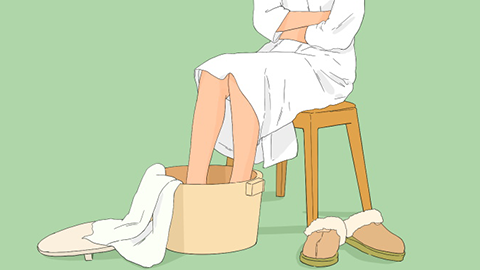
Because athlete’s foot is highly contagious, patients should keep their footwear, socks, and foot-washing items separate from those used by others to prevent transmission. Additionally, maintaining good personal hygiene is essential: wash feet daily with warm water. It is recommended to boil socks daily and wear breathable footwear, replacing shoes weekly. After each use, expose shoes to direct sunlight to eliminate residual fungi. Keeping feet clean and dry significantly aids in treating athlete’s foot and helps prevent recurrence.
In daily life, patients are advised to follow a light, bland diet and avoid spicy, irritating, or sweat-inducing foods. We hope this information proves helpful.


