


Dietary Restrictions for Mumps

Due to frequent late-night work and study, many people are experiencing significant adverse effects on their health, including reduced immunity and disrupted endocrine and exocrine functions. One common condition associated with these factors is mumps. So, what foods should be avoided in cases of mumps?
Foods to Avoid with Mumps
Once diagnosed with mumps, patients should avoid wool-based products (a traditional Chinese medicine term referring to certain “heat-inducing” foods such as lamb, beef, or seafood), spicy foods, and acidic foods. This is because, following diagnosis, the ductal orifice of the parotid gland becomes swollen, and parotid enlargement becomes especially pronounced. Instead, patients should consume light, bland foods—such as watermelon, cucumber, and other mild options—and drink plenty of water. Foods that do not stimulate salivary secretion are acceptable; however, spicy or otherwise stimulatory foods should be strictly avoided, as they may trigger involuntary salivary gland secretion, potentially causing marked discomfort.
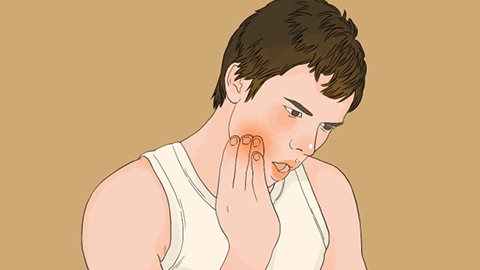
Mumps has various causes, including viral and bacterial infections. The most common types are epidemic mumps (caused by the mumps virus) and suppurative parotitis. Fever is frequently present. Initially, swelling and pain develop around one earlobe—extending forward, backward, and downward—with taut, shiny overlying skin. Pain intensifies during eating and chewing. Several days later, similar symptoms appear on the contralateral side. Approximately one week after onset, some patients may develop acute pancreatitis, presenting with abdominal pain, nausea, and vomiting. Adolescent patients may experience oophoritis or orchitis; in rare cases, encephalitis or meningitis may occur.
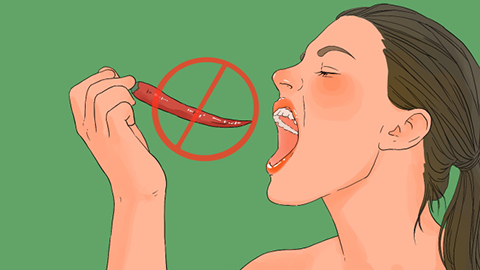
Patients are advised to drink ample fluids, consume easily digestible foods, avoid irritants, and prioritize bland, mild meals. We hope this information proves helpful.


