


What does Stage 4 liver cancer mean?

Hepatocellular carcinoma (HCC) refers to a tumor originating in the liver, posing serious threats to human health and potentially endangering life in severe cases. Early detection and prompt treatment are therefore critical. But what does “Stage IV liver cancer” mean?
What Does Stage IV Liver Cancer Mean?
Stage IV liver cancer represents the most advanced stage of the disease. Typically, tumors are large and accompanied by ascites, local invasion, or distant metastasis to other organs. Treatment strategies must be carefully tailored based on the patient’s histopathological subtype and overall physical condition—incorporating interventional therapies, targeted therapy, immunotherapy, or other appropriate modalities—to maximize survival duration.
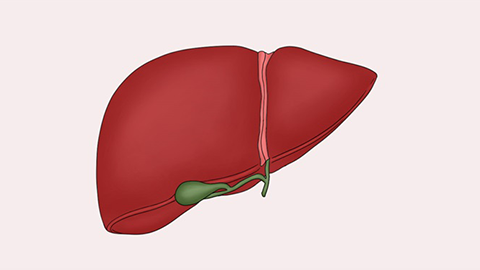
Liver cancer is staged into four phases. In Stage I, the primary hepatocellular carcinoma measures less than 2 cm in diameter with no vascular or lymph node involvement. In Stage II, the primary tumor remains under 2 cm but either invades adjacent blood vessels or consists of two separate lesions, each under 2 cm, without vascular invasion. Stage III features a primary tumor larger than 2 cm that invades blood vessels, along with multiple smaller nodules (each <2 cm). Stage IV indicates either bilateral hepatic involvement by the primary tumor or direct invasion of the portal vein by the primary tumor.
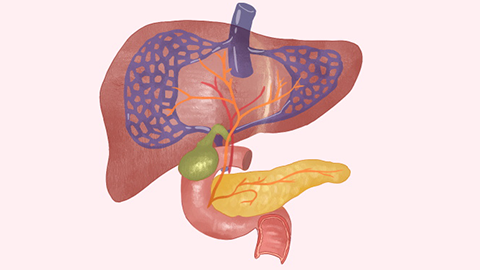
Liver cancer has a relatively high incidence rate, primarily associated with viral infections (e.g., hepatitis B or C) and chronic alcohol consumption. Routine health check-ups—especially abdominal color Doppler ultrasound examinations every six months for individuals with a history of hepatitis—can significantly reduce the risk of developing liver cancer. We hope this information is helpful to you. Wishing you good health and a joyful life!


