


How to cure bile reflux gastritis
Aug 24, 2022
Source: Cainiu Health
Dr. Jin Zhongkui
Introduction
Bile reflux gastritis occurs due to abnormal gastrointestinal motility, leading to duodenal and pancreatic secretions flowing back into the stomach. It may also occur in patients who have undergone partial gastrectomy—particularly those lacking a pylorus—allowing gastrointestinal fluids to directly reflux into the stomach. Within the gastric lumen, these alkaline fluids irritate the gastric mucosa, triggering an inflammatory response. Most patients experience epigastric pain, abdominal distension, and sometimes a bitter taste in the mouth and dry mouth.
In real life, many people suffer from gastritis. Gastritis encompasses numerous subtypes, one of which is bile reflux gastritis. So, how can bile reflux gastritis be effectively treated?
How to Effectively Treat Bile Reflux Gastritis
Bile reflux gastritis results from abnormal gastrointestinal motility, causing duodenal and pancreatic secretions to flow backward into the stomach. In patients who have undergone partial gastrectomy—particularly those lacking a functional pylorus—gastrointestinal contents may directly reflux into the stomach. Within the gastric lumen, these alkaline fluids irritate the gastric mucosa, triggering an inflammatory response. Common symptoms include upper abdominal pain, bloating, dyspepsia, a bitter taste in the mouth, and dry mouth. Treatment typically involves mucosal protectants to neutralize refluxed bile and safeguard the gastric lining, combined with prokinetic agents to enhance gastrointestinal motility. Patients should also manage their psychological state and avoid anxiety.
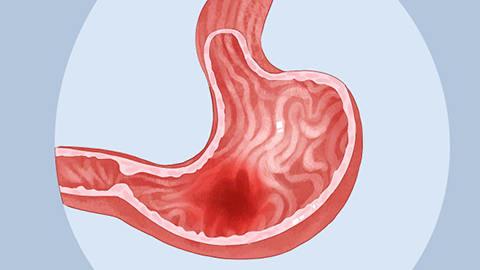
First, patients with bile reflux gastritis must pay close attention to dietary habits. They should avoid raw, cold, or irritating foods—such as fruits, candies, honey, sweet potatoes, red dates, and brown sugar. Second, according to Traditional Chinese Medicine (TCM), the core pathophysiological mechanism underlying this condition involves diminished immune function—characterized by disordered Qi circulation, failure of turbid Qi to descend, and impaired ascent of clear Qi.

Therefore, patients are encouraged to increase physical activity—such as jogging or brisk walking—to stimulate Yang Qi production and enhance gastrointestinal motility. Additionally, abdominal massage can further promote motility: gently massage the abdomen in both clockwise and counterclockwise directions, using the navel as the center. We hope this information proves helpful!





