


What is the normal value for pelvic fluid?
Aug 24, 2022
Source: Cainiu Health

Dr. Lv Aiming
Introduction
Normal pelvic fluid accumulation should not occur. However, fluid volumes under 1.0 cm are considered physiological and typically require no treatment or intervention. If the fluid volume exceeds approximately 1.0 cm, pharmacological therapy, intravenous hydration, or physical treatments are recommended. Pelvic fluid accumulation refers to inflammatory exudate present within the pelvic cavity, often occurring following endometritis. Pelvic fluid accumulation is generally caused by pelvic inflammatory disease (PID), which may be either chronic or acute.
In daily life, many women’s health conditions are closely related to the uterus. Some inflammatory conditions can resolve spontaneously with self-care, while others require improved hygiene practices. So, what is the normal value for pelvic fluid accumulation?
What Is the Normal Value for Pelvic Fluid Accumulation?
Normally, no pelvic fluid accumulation should be present. However, fluid volumes under 1.0 cm are considered physiological (i.e., normal) and typically require no treatment or intervention. If the fluid depth exceeds approximately 1.0 cm, pharmacological therapy, intravenous fluids, or physical treatments may be recommended. Pelvic fluid accumulation refers to inflammatory exudate within the pelvic cavity, often occurring following endometritis. It is commonly caused by pelvic inflammatory disease (PID), which may be either acute or chronic. Supportive management for acute PID includes bed rest—preferably in a semi-recumbent position—to help localize inflammation. A high-calorie, high-protein, high-vitamin diet is advised; in some cases, small-volume blood transfusions may be administered to enhance the body’s resistance.
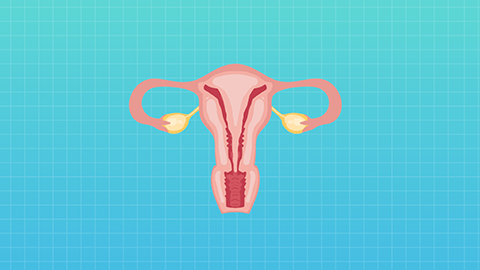
Pelvic fluid accumulation is generally classified into two types: physiological and pathological. Physiological accumulation usually refers to minimal fluid observed during ovulation—a normal physiological phenomenon. Pathological pelvic fluid accumulation may result from retrograde menstruation during menses, wherein menstrual blood flows backward through the fallopian tubes into the pelvic cavity—commonly associated with endometriosis.
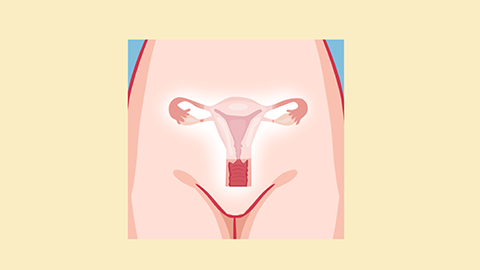
If symptoms such as lower abdominal pain, fever, or abnormal vaginal discharge occur—and if gynecological examination reveals tenderness or rebound tenderness over the uterus and adnexal regions—pelvic inflammatory disease is likely, necessitating prompt and active treatment. “We hope this information has been helpful to you!”


