


Estradiol (E2) Normal Reference Range Table
Aug 24, 2022
Source: Cainiu Health

Dr. Lv Aiming
Introduction
Estradiol levels vary across different stages in a woman’s life. Generally, estradiol concentrations fluctuate throughout the phases of ovulation: typically 48–521 pmol/L before ovulation, 70–1,835 pmol/L during ovulation, and 272–793 pmol/L after ovulation. Estradiol levels also vary throughout pregnancy.
In fact, many women pay close attention to estradiol (E2) levels. A significantly low E2 level often signals an underlying health issue. Importantly, the normal reference range for estradiol is not fixed—it varies across different life stages and physiological conditions. Such markedly low levels can pose health risks and therefore warrant clinical attention. So, what are the normal reference values for estradiol (E2)?
Normal Reference Values for Estradiol (E2)
Estradiol concentrations differ among women at various life stages and fluctuate throughout the menstrual cycle. Specifically, during the follicular phase (pre-ovulation), normal E2 levels range from 48–521 pmol/L; at ovulation, they rise to 70–1,835 pmol/L; and in the luteal phase (post-ovulation), they fall to 272–793 pmol/L. During pregnancy, estradiol levels also change dynamically. In a normal pregnancy, placental estradiol production gradually increases, then drops sharply after delivery. Typical serum estradiol levels are: pre-pregnancy—0–300 ng/L; mid-pregnancy (second trimester)—1,000–8,001 ng/L; and late pregnancy (third trimester)—5,000–27,001 ng/L.
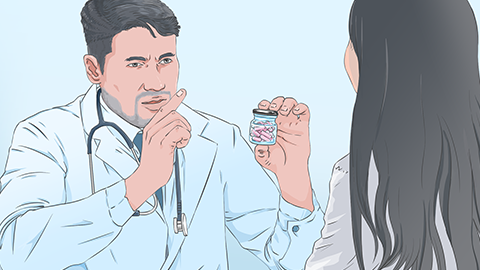
Low estradiol (E2) levels can lead to menstrual irregularities in women. These irregularities may disrupt endocrine function, resulting in hormonal imbalance that fails to meet the body’s physiological needs. In severe cases, symptoms such as hypothyroidism may develop.

During pregnancy, women should avoid excessive physical exertion, maintain a light and well-balanced diet, and undergo regular prenatal check-ups to monitor fetal health. We hope this information is helpful! Wishing you good health and happiness!


